

By Dr. Lisa Gao, DDS, MS
Retainers after braces are essential because teeth can shift after orthodontic treatment. Braces move your teeth into better alignment, but retainers help hold that alignment in place while the bone, gums, and surrounding tissues adjust. Without consistent retainer wear, teeth may gradually move back toward their old positions.
At Westwood Orthodontics, retention is treated as an important part of orthodontic care, not an afterthought. Whether you had braces, clear braces, or Invisalign, retainers help protect the smile you worked hard to achieve.
Why Are Retainers Needed After Braces?
Braces apply controlled pressure to move teeth into better positions. Once the braces come off, your teeth may look straight, but the structures around them still need time to stabilize.
The ligaments and bone around the teeth can continue adjusting after treatment. During this stage, teeth are more likely to shift if they are not supported. Retainers help hold the teeth in place while your mouth adapts to the new alignment.
This is why retainers are one of the most important parts of orthodontic treatment. They help maintain the final result and reduce the risk of relapse.
What Happens If You Don’t Wear Your Retainer?
If you do not wear your retainer as instructed, your teeth may start to move. This can happen slowly, so the change may not be obvious right away. Over time, however, small shifts can become noticeable.
You may notice:
- Tightness when trying to wear your retainer
- Slight crowding in the front teeth
- Spaces reopening
- Bite changes
- Teeth looking less straight than before
In some cases, mild shifting may be corrected with a new retainer or limited treatment. If the movement is more significant, additional orthodontic treatment may be needed.
That is why it is better to address retainer problems early instead of waiting until the teeth have moved noticeably.
How Long Should You Wear Retainers After Braces?
How long to wear retainers depends on your orthodontist’s instructions and your individual risk of shifting. Many patients wear retainers more often at first, then move into nighttime wear.
A typical retainer schedule may look like this:
| Retainer Stage | Common Wear Pattern | Purpose |
| First stage after braces | Full-time or as instructed | Helps stabilize teeth after active movement |
| Long-term stage | Nighttime wear | Helps prevent gradual shifting |
| Maintenance stage | Ongoing wear as directed | Protects the orthodontic result over time |
Your teeth can shift at any age, so retention matters long after braces are removed.
Are Retainers Only Needed After Braces?
No. Retainers are needed after any treatment that moves teeth. That includes braces, clear braces, and Invisalign.
Many patients think retainers are only for traditional braces, but aligner treatment also requires retention. Once teeth have moved, they need support to stay in their new positions.
If you completed braces or Invisalign treatment, your retainer is what helps maintain your result after active treatment ends.
Types of Orthodontic Retainers
There are different types of retainers, and each has a specific purpose. Your orthodontist will recommend the option that fits your smile, bite, and treatment result.
Clear Retainers
Clear retainers look similar to thin aligner trays. They fit over the teeth and are usually removable. Many patients like them because they are discreet and comfortable.
Hawley Retainers
A Hawley retainer uses an acrylic base and a wire that sits across the front teeth. It is removable and durable. In some cases, it can also be adjusted.
Fixed Retainers
A fixed retainer is a thin wire bonded behind the teeth, often behind the lower front teeth. It stays in place and helps prevent shifting in areas that are more likely to relapse.
Some patients may need one type of retainer. Others may benefit from a combination, such as a fixed lower retainer and a removable upper retainer.
Why Do Teeth Shift After Braces?
Teeth shift because the mouth is not completely static. Even after orthodontic treatment, your teeth are affected by chewing forces, tongue pressure, lips, aging, and changes in the bone and gums.
Common reasons teeth shift include:
- Not wearing retainers as instructed
- Natural aging changes
- Teeth grinding or clenching
- Gum or bone changes
- Tooth loss
- Pressure from the tongue or bite
- Retainers becoming loose, broken, or lost
Retainers help manage these forces by keeping teeth in the corrected positions. They do not stop every natural change, but they greatly reduce the risk of unwanted movement.
How Should You Care for Your Retainer?
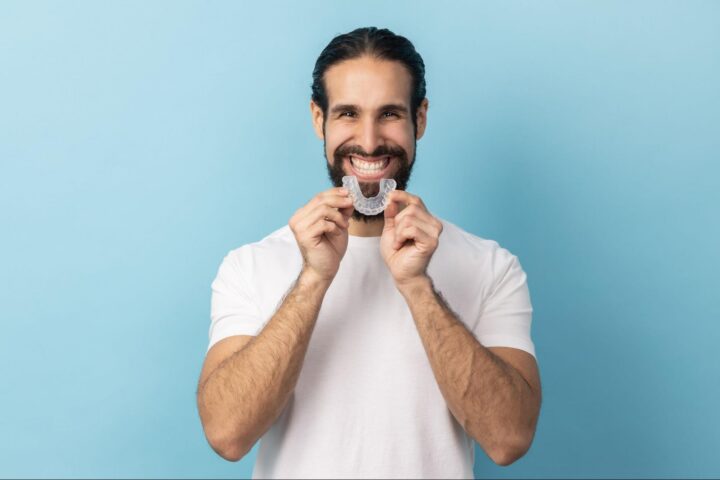
Good retainer care helps keep the appliance clean, comfortable, and effective. A damaged or warped retainer may not hold your teeth properly.
Basic retainer care tips include:
- Clean your retainer daily as instructed.
- Store it in its case when it is not in your mouth.
- Keep it away from pets.
- Avoid wrapping it in a napkin.
- Do not use hot water, which may warp some retainers.
- Bring it to follow-up visits so the fit can be checked.
If your retainer feels too tight, too loose, cracked, or uncomfortable, do not ignore it. Contact your orthodontist before the teeth shift further.
What If Your Retainer No Longer Fits?
If your retainer no longer fits, it may mean your teeth have shifted or the retainer has changed shape. Do not force it into place, especially if it causes pain or does not seat fully.
The best step is to schedule a retainer check. Your orthodontist can determine whether you need a replacement retainer, an adjustment, or limited tooth movement to correct shifting.
The sooner you act, the easier it may be to protect your smile.
Can Retainers Move Teeth Back?
Retainers are designed to hold teeth in place, not to move them significantly. If your teeth have shifted slightly, your retainer may feel tight, but that does not always mean it can safely correct the movement.
If the shifting is minor, your orthodontist may recommend a new retainer or small adjustment. If the teeth have moved more noticeably, additional orthodontic treatment may be needed.
This is why wearing your retainer consistently is much easier than trying to correct shifting later.
Why Choose Westwood Orthodontics for Retainers After Braces?
If you are maintaining your smile after braces, the goal is to protect your result with clear instructions, careful follow-up, and retainers that fit properly. Westwood Orthodontics provides braces, Invisalign, clear braces, retainers, and personalized orthodontic care for children, teens, and adults in Westwood and nearby Los Angeles communities.
Westwood Orthodontics welcomes patients at 1060 Glendon Ave, Los Angeles, CA 90024, United States. To schedule a free consultation, call 310-208-6333 or text 424-414-2120.
Our office is located in Westwood Village, just steps from UCLA’s campus, with convenient access from Beverly Hills, Brentwood, Santa Monica, Culver City, and nearby Westside Los Angeles communities.
Final Takeaway: Retainers Protect Your Orthodontic Results
Retainers are one of the most important parts of maintaining your smile. Braces create the alignment, but retainers help preserve it.
Wearing your retainer as instructed can prevent tooth shifting, protect your bite, and reduce the chance of needing more orthodontic treatment later. If your retainer feels tight, breaks, or no longer fits, it is better to schedule a check sooner rather than waiting.
At Westwood Orthodontics, Dr. Lisa Gao, DDS, MS, and Dr. Ivy Vuong, DDS, help patients protect their orthodontic results with customized retention plans and clear guidance.
Schedule your visit today if you need a retainer check, replacement, or help maintaining your smile after braces.
Frequently Asked Questions
Why do I need retainers after braces?
You need retainers after braces because teeth can shift once active orthodontic treatment ends. Retainers help hold teeth in their corrected positions and protect your final result.
How long do I have to wear retainers after braces?
Your orthodontist will give you specific instructions. Many patients wear retainers more often at first, then switch to nighttime wear for long-term maintenance.
What happens if I stop wearing my retainer?
Your teeth may begin to shift. You may notice crowding, spacing, bite changes, or a retainer that feels too tight when you try to wear it again.
Do Invisalign patients need retainers too?
Yes. Retainers are needed after Invisalign, braces, and clear braces. Any treatment that moves teeth requires retention afterward.
What should I do if my retainer no longer fits?
Do not force it. Schedule a retainer check so your orthodontist can see whether the retainer needs replacement or whether your teeth have shifted.

Westwood Orthodontics
Dr. Lisa Gao and Dr. Ivy Vuong are board-certified orthodontists committed to delivering exceptional orthodontic care with a personal touch. Specializing in braces and Invisalign for patients of all ages. Schedule your free consultation today — a smile can change everything!
Schedule Your Free Consultation

A Smile Can Change Everything
Braces & Invisalign for kids, teens & adults in Los Angeles, CA. Board certified orthodontists — schedule your free consultation today!
Schedule Free Consultation