loader

Starting orthodontic treatment is an exciting step toward a healthier, more confident smile, but it also comes with a learning curve, especially when it is about eating. At Westwood Orthodontics, we guide our patients through every phase of treatment, including how to adjust their diet for comfort, safety, and long-term orthodontic success. With the right strategies, eating with braces can be simple, manageable, and even enjoyable. This comprehensive guide covers everything you need to know to feel confident at every meal.

Why Changing How You Eat Matters

Braces gently guide your teeth into healthier alignment using brackets, wires, and elastics. These tools are strong but not indestructible. Hard, sticky, or chewy foods can break brackets, bend wires, or get stuck in hard-to-clean places. Beyond that, your teeth may feel tender after braces are placed or adjusted, making biting into certain foods uncomfortable.

Part of what we do at Westwood Orthodontics is prepare you for what to expect during treatment, including how to eat comfortably. Adjusting your eating habits protects your braces, keeps your treatment on track, and helps prevent unnecessary repairs. These habits also support better oral hygiene, which is essential while wearing orthodontic appliances.

Top Tips for Eating With Braces

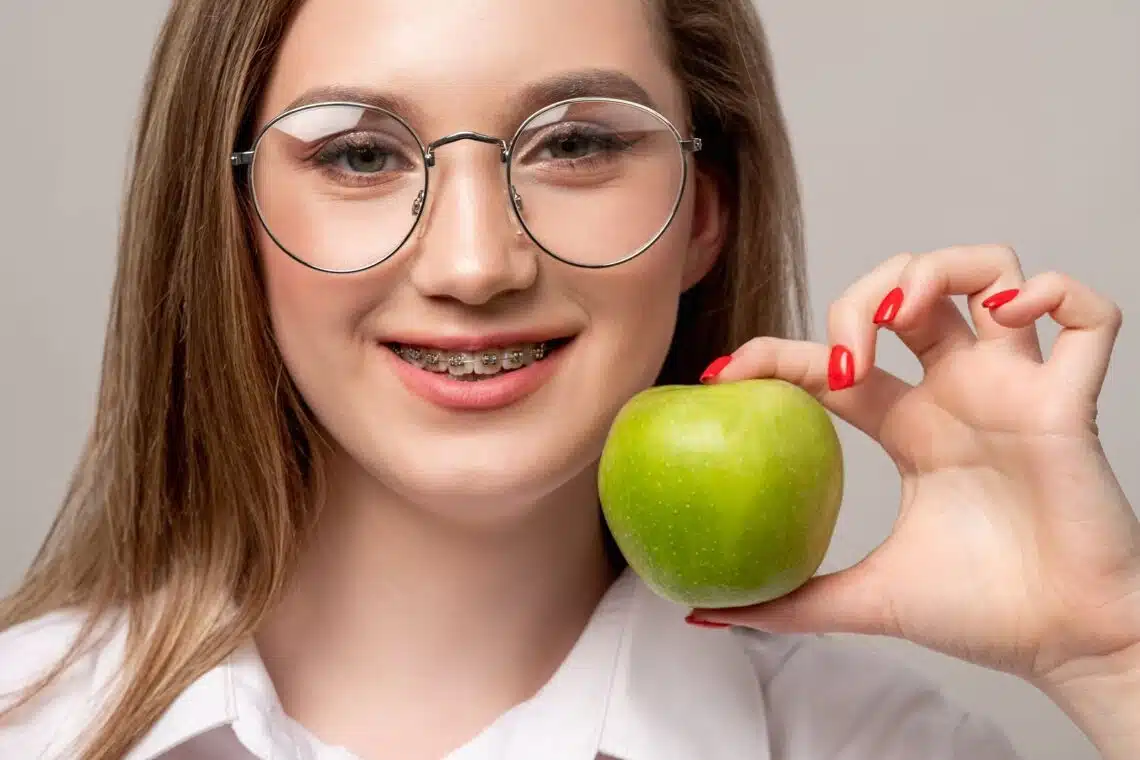
Tips for eating with braces

As orthodontic specialists, we always educate our patients using clear, easy-to-apply steps. Here are the most effective tips for eating with braces that we share with our patients every day:

1. Start With Soft Foods

The first few days after getting braces, or after an adjustment, your teeth may feel sensitive. Soft foods reduce pressure on your teeth and make eating more comfortable. Great options include mashed potatoes, soups, yogurt, eggs, smoothies, oatmeal, and soft pasta.

2. Cut Food Into Small Pieces

Avoid biting into foods with your front teeth. This habit helps prevent brackets from detaching. Instead of biting into apples, sandwiches, or firm meats, cut them into bite-sized portions. Your back teeth handle pressure better, and chewing gently minimizes discomfort.

3. Slow Down When Chewing

Eating too quickly can put unnecessary stress on your braces. Take smaller bites and chew slowly. This isn’t just safer. It makes eating more comfortable and allows your mouth to adjust to new sensations as your teeth move.

4. Avoid Sticky, Chewy, Hard, or Crunchy Foods

Certain foods pose a high risk of damaging braces or getting lodged beneath wires. Some foods to avoid include:

  • Sticky candies like caramel or taffy
  • Hard candies, nuts, popcorn, chips, and ice
  • Crunchy raw vegetables such as carrots
  • Tough breads like baguettes or hard crusts
  • Chewy snacks like bagels and licorice

These items can break brackets, bend wires, and cause unnecessary pain or delays in treatment.

5. Maintain Excellent Oral Hygiene

Food easily gets trapped around braces, which increases the risk of plaque buildup and tooth decay. At Westwood Orthodontics, we emphasize brushing after every meal, flossing carefully using floss threaders or orthodontic floss, and using a small interdental brush to clean around brackets.

6. Be Careful With Temperature Sensitivity

Hot foods can soften elastics, while very cold foods may increase tooth sensitivity. Aim for moderate temperatures, especially during the first few days after adjustment appointments.

7. Drink Plenty of Water During Meals

Water helps loosen food particles and rinse away debris throughout the day. Staying hydrated also helps reduce dry mouth, which is more common for people wearing braces.

8. Use Orthodontic Wax If Needed

If you feel irritation from brackets or wires while chewing, orthodontic wax can provide cushioning. This is especially helpful during the first week of treatment.

Foods You Can Enjoy With Braces

Eating with braces does not mean sacrificing flavor or variety. There are plenty of delicious foods that work perfectly with braces:

Breakfast Ideas

  • Scrambled eggs or omelets
  • Smoothies or protein shakes
  • Pancakes, waffles, or soft muffins
  • Oatmeal or cream of wheat

Lunch Options

  • Soft sandwiches (cut into small pieces)
  • Chicken salad, egg salad, or tuna salad
  • Pasta dishes
  • Soft tortillas with fillings

Dinner Choices

  • Cooked vegetables
  • Tender chicken, turkey, or fish
  • Soft rice dishes
  • Chili, stews, or soups

Snacks

  • Yogurt or pudding
  • Cheese cubes
  • Fruit cups or soft fruit like bananas and berries
  • Applesauce

With a few adjustments, you can still enjoy a balanced and satisfying diet every day.

Foods to Be Cautious About

Some foods aren’t completely off-limits, but they require modifications to keep your braces safe. For example:

  • Apples: OK if sliced thinly
  • Corn on the cob: Cut kernels off first
  • Pizza crust: Eat soft interior portions, not the hard crust
  • Steak: Choose tender cuts and slice them into small pieces

When in doubt, ask yourself, “Is this food too hard, sticky, or chewy?” If yes, it’s better to avoid it.

Eating Comfortably After Adjustments

It’s normal for your teeth to feel pressure or soreness after routine tightening appointments. At Westwood Orthodontics, we reassure patients that this is a sign their treatment is working. Here are ways to make eating easier afterward:

  • Stick to soft foods for a day or two
  • Avoid foods that require heavy chewing
  • Use over-the-counter pain relievers if recommended
  • Rinse with warm salt water for relief
  • Apply orthodontic wax if needed

Your mouth will adapt quickly, and most patients return to their normal braces-safe diet within a few days.

How Westwood Orthodontics Supports You

At Westwood Orthodontics, our goal is to make your entire orthodontic experience smooth, comfortable, and predictable, including your diet. Our team provides:

  • Personalized treatment plans designed around your lifestyle
  • Detailed instructions on how to eat safely with braces
  • Guidance on what to expect during each phase of treatment
  • In-office support for any issues, like discomfort or broken appliances
  • A clean, supportive environment where we walk with you every step of your smile journey

Education is a key part of successful orthodontic care, and that includes giving you the confidence to enjoy your meals safely.

Your Braces Options at Westwood Orthodontics

Eating with braces requires a few adjustments, but with the right approach, it becomes second nature. By following these tips for eating with braces, you can avoid unnecessary repairs, keep your treatment on schedule, and enjoy mealtimes comfortably.

At Westwood Orthodontics, we’re here to guide you through every bite, every appointment, and every step toward a beautifully aligned smile. With good habits and a little patience, your braces journey will be smooth, successful, and rewarding. Contact us now to learn more about our services.

No Comment
Read More

At Westwood Orthodontics, we believe that everyone, regardless of age, deserves a smile they’re proud to share. More and more adults and teenagers are discovering that clear aligners offer an orthodontic solution that’s both effective and discreet. In this article, we’ll explore why Invisalign is an excellent choice for both adults and teens, highlight how the treatment works, and share what you can expect when you choose Westwood Orthodontics.

Why Invisalign Is Perfect for Adults and Teens

Aesthetic Appeal Without Metal Braces

Traditional braces, which use metal brackets and wires, have long been the standard for straightening teeth. But they can draw attention, impact self‑image, and sometimes even discourage people from getting the treatment they need. Invisalign uses a series of clear, custom‑made aligners that are almost invisible when worn.

For both adults concerned about professional appearance and teens conscious about their social image, Invisalign offers a discreet alternative. Because the aligners are transparent and fit snugly over teeth, most people won’t notice you’re undergoing treatment. This is especially appealing for adults who interact frequently with colleagues and clients, or teens who want to feel confident in social situations and school photos.

Removable, Comfortable, and Convenient

Invisalign aligners at Westwood Orthodontics are smooth plastic trays, no metal brackets, no wires. That means no scraping against cheeks and gums, a problem sometimes common with traditional braces.

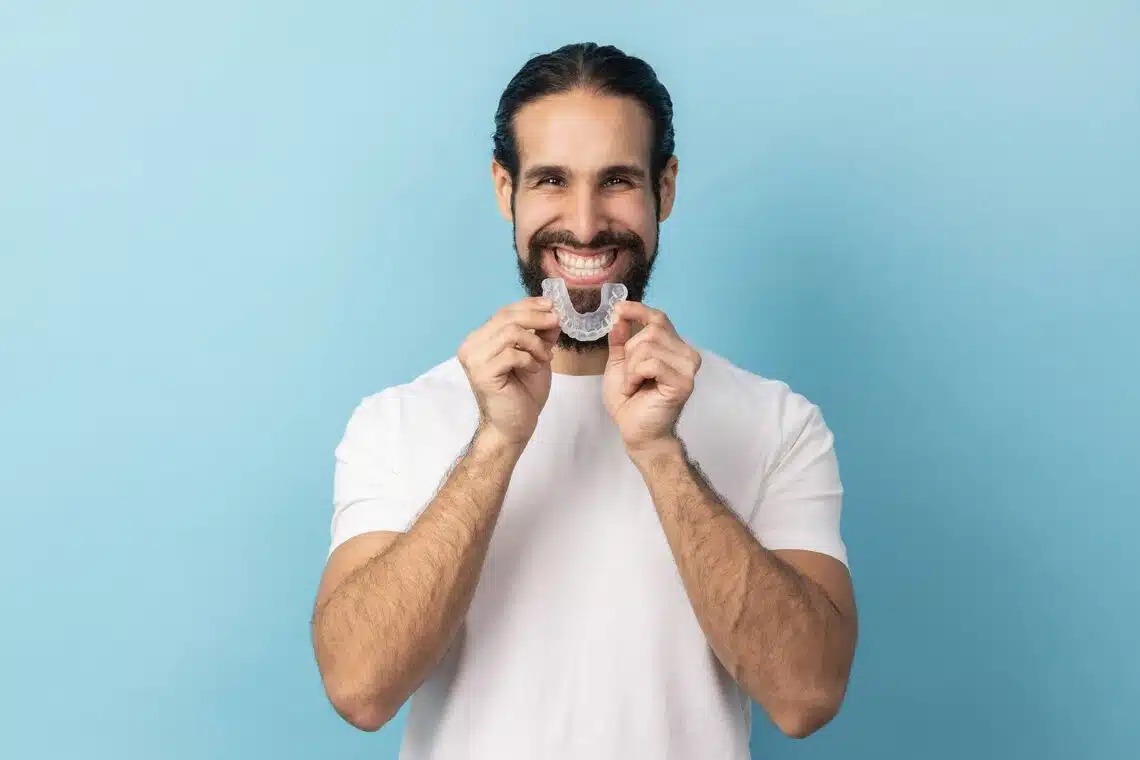
Because the aligners are removable, you can take them out to eat, drink, brush, or floss. That makes maintaining oral hygiene much easier, and you won’t have to stick to strict food restrictions like with metal braces. For example, you can continue to enjoy popcorn, nuts, or sticky candies without worrying about damaging brackets.

For busy adults and active teens, this flexibility is a major advantage: you don’t need to alter your lifestyle dramatically just to get orthodontic care. Many of our patients appreciate being able to remove their aligners for a date night, an important presentation, or a special school event.

Effective for a Wide Range of Orthodontic Issues

Like traditional braces, Invisalign is capable of addressing many common orthodontic problems, such as crooked teeth, spacing issues, bite problems, crowding, and more. At Westwood Orthodontics, we use advanced 3D imaging and custom treatment planning so your aligners are made specifically for your teeth. This tailor‑made approach ensures precision and a treatment plan designed to meet your unique needs and goals.

Invisalign has become a reliable option not only for simple teeth straightening but also for complex bite corrections. With advancements in technology, it can now handle a broader range of cases than ever before, giving both adults and teens more opportunities to benefit from discreet treatment.

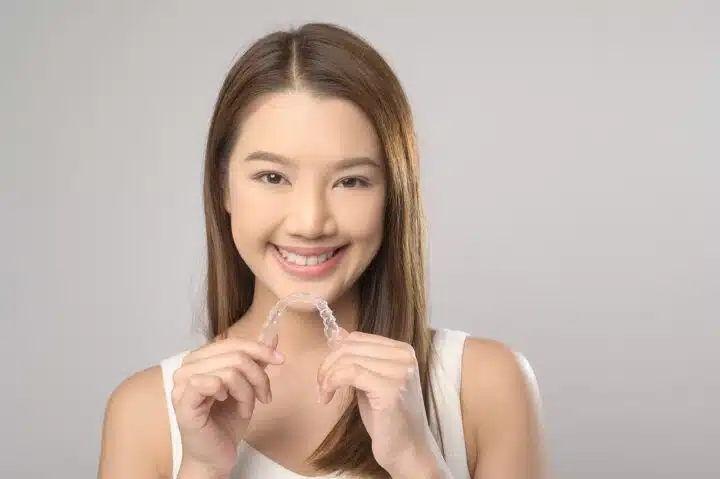
A female teen holding her Invisalign aligners

What the Treatment Process Looks Like at Westwood Orthodontics

  • Initial consultation & 3D scan: We start with a comprehensive exam, including digital scans (and X‑rays if needed), to assess your teeth and bite. This helps us determine if Invisalign is the right choice for you and allows us to design a personalized treatment plan.
  • Custom aligner fabrication: Based on your scan, a series of clear plastic aligners is manufactured to gradually move your teeth into alignment. Each set of aligners is designed to achieve specific movements in your teeth.
  • Wearing the aligners: Typically, you’ll wear each set of aligners for about 1–2 weeks, switching to the next set as planned. Aligners should be worn 20–22 hours per day and only removed for eating, brushing, or flossing.
  • Check‑ups and adjustments (if needed): We monitor your progress with periodic visits to ensure your treatment is on track. Any adjustments are carefully made to keep your plan moving efficiently toward your desired result.
  • Final result & retention: Once your teeth are properly aligned, retainers are often provided to maintain your new smile long-term. Proper retention ensures your investment in your smile is preserved for years to come.

Most patients at Westwood Orthodontics complete their Invisalign treatment within roughly 12–18 months, depending on the complexity of their case. This timeframe makes Invisalign a practical option for both teens and adults who want a beautiful smile without a long-term commitment.

Why Westwood Orthodontics Is a Great Place for Invisalign

When you choose Westwood Orthodontics, you’re choosing a team that genuinely cares about your smile and your experience. Here’s what sets us apart:

  • Board‑certified orthodontists: Our lead doctors, Dr. Lisa Gao and Dr. Ivy Vuong, are certified specialists and among the top providers of Invisalign.
  • Personalized care in a friendly environment: We focus on detailed, individualized care, ensuring that each patient feels supported throughout their treatment journey.
  • Clear communication and guidance: We walk you through all your options, including Invisalign, traditional braces, and other orthodontic systems, helping you make the best decision for your lifestyle, goals, and oral health.
  • Flexible treatment tailored for all ages: Whether you’re a teen navigating school and social life, or an adult balancing work and personal commitments, we believe orthodontics should adapt to your life, not the other way around.

Common Misconceptions About Invisalign

Many people have questions or concerns about Invisalign, so we like to address some common misconceptions:

  • “It’s only for mild cases.” While Invisalign started as a solution for minor alignment issues, modern technology allows treatment of moderate to complex cases effectively.
  • “It takes longer than braces.” In many cases, treatment time is similar to, or even shorter than, traditional braces.
  • “Aligners are uncomfortable.” Most patients find Invisalign very comfortable. You may feel minor pressure when switching to a new set, which is a sign that the teeth are moving correctly.

Understanding these points helps adults and teens make informed decisions about their orthodontic care.

Is Invisalign Right for You (Or Your Teen)?

Invisalign is an excellent option for many adults and teens. The ideal candidate is someone who wants:

  • A discreet, barely noticeable orthodontic treatment
  • The flexibility to remove aligners for eating, cleaning, or special occasions
  • A comfortable, irritation‑free experience (no wires or metal)
  • Effective correction of alignment, spacing, and bite problems
  • A treatment process that fits a busy lifestyle

A consultation at Westwood Orthodontics will determine your suitability and help us create a plan that meets your unique goals.

FAQs About Invisalign for Adults and Teens

Q1: Can adults get Invisalign even if they had braces before?

Yes! Many adults who previously had braces can benefit from Invisalign to correct shifting teeth or minor alignment issues.

Q2: How often do I need to visit the orthodontist during Invisalign treatment?

Check-ups typically occur every 6–8 weeks to monitor progress and provide your next set of aligners.

Q3: Is Invisalign safe for teenagers?

Absolutely. Invisalign Teen has features like compliance indicators and replacement aligners to accommodate growing mouths and active lifestyles.

Q4: Will Invisalign affect my speech?

Most people adjust quickly. Any minor lisp usually disappears within a few days of wearing the aligners.

Q5: How long do I need to wear retainers after Invisalign?

Retention is essential. Most patients wear retainers at night to keep their teeth aligned permanently.

Are You Ready to Start Your Invisalign Journey?

At Westwood Orthodontics, we’re dedicated to helping you achieve a confident, beautiful smile through treatments that respect your lifestyle and individuality. Invisalign offers a modern, patient-friendly path to align teeth, perfect for teens preparing for adulthood and adults investing in their oral health and appearance.

If you’ve been hesitant about traditional braces or are ready to make a lasting change with Invisalign for adults and teens, we’d love to welcome you to Westwood Orthodontics. Reach out to us and let’s explore whether Invisalign could be the clear solution you’ve been looking for.

No Comment
Read More