
By Dr. Lisa Gao & Dr. Ivy Vuong
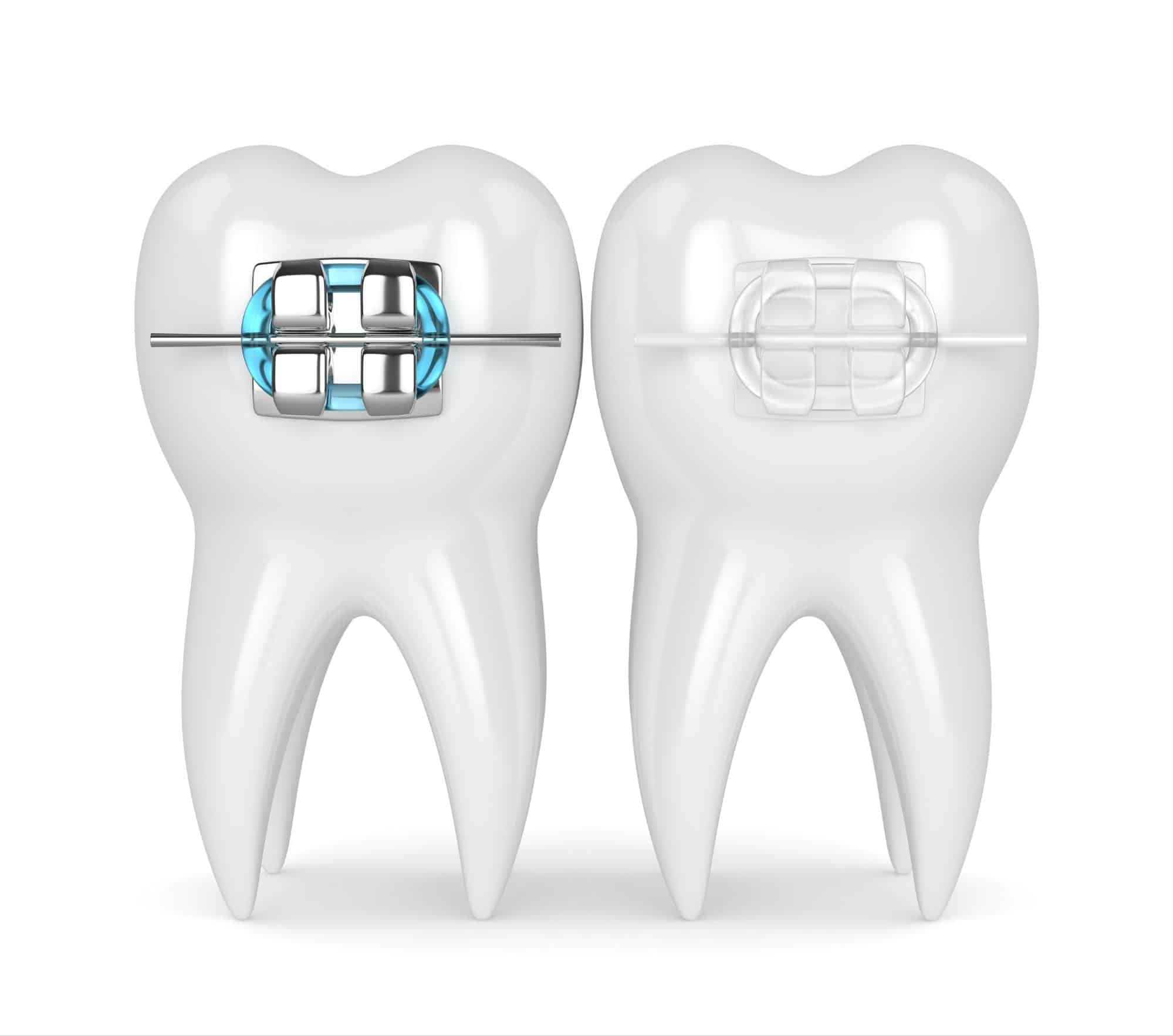
Traditional braces and clear braces both straighten teeth using brackets and wires. The main difference is appearance: traditional braces use metal brackets, while clear braces use tooth-colored or translucent brackets that blend in more naturally with your smile. Traditional braces are often more durable and cost-effective, while clear braces may be a better fit for patients who want a less noticeable treatment option.
At Westwood Orthodontics, our doctors help patients compare both options based on their teeth, bite, lifestyle, treatment goals, and budget. The right choice is not just about how braces look. It is about choosing the option that can move your teeth safely and predictably.
Traditional Braces vs Clear Braces: Quick Comparison
Both traditional braces and clear braces work well for many orthodontic cases. They can help correct crowding, spacing, crooked teeth, overbites, underbites, crossbites, and other bite concerns.
Here is a simple side-by-side comparison:
| Feature | Traditional Braces | Clear Braces |
| Appearance | Metal brackets and wires | Tooth-colored or clear brackets |
| Visibility | More noticeable | Less noticeable |
| Strength | Very durable | Strong, but may need more care |
| Staining risk | Brackets do not stain easily | Clear or tooth-colored parts may show stains if not cared for well |
| Cost | Often more affordable | May cost more |
| Best for | Kids, teens, adults, and complex cases | Teens and adults who want a more discreet look |
| Treatment effectiveness | Highly effective | Highly effective when recommended for the case |
The better option depends on what matters most to you and what your orthodontist recommends after evaluating your smile.
What Are Traditional Braces?
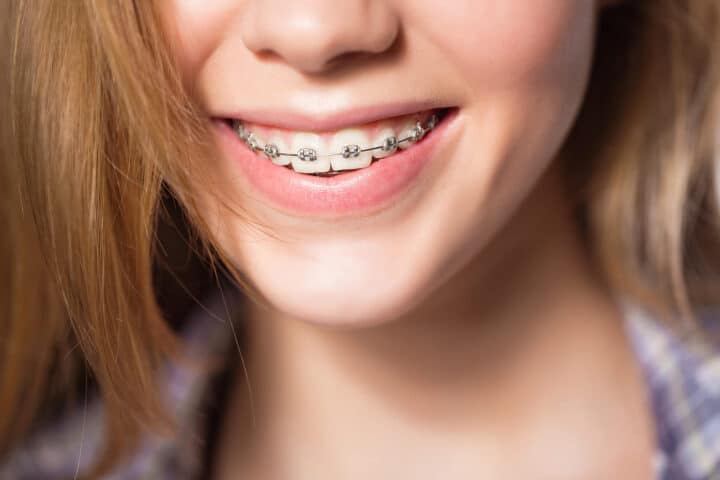
Traditional braces use stainless steel brackets that are attached to the front of the teeth. A wire runs through the brackets and applies gentle pressure to guide the teeth into better positions over time.
Traditional braces are one of the most common and reliable orthodontic treatments because they give the orthodontist strong control over tooth movement. They may be recommended for mild, moderate, or complex cases.
Traditional braces may be a good fit if you want:
- A durable and reliable treatment option
- Strong control for detailed tooth movement
- A cost-effective braces option
- Treatment for more complex alignment or bite concerns
- A fixed appliance that does not depend on removable trays
Many patients also like that metal braces can be customized with colorful elastic ties, especially younger patients who want to make treatment feel more personal.
You can learn more about traditional braces in Los Angeles if you are considering this option.
What Are Clear Braces?
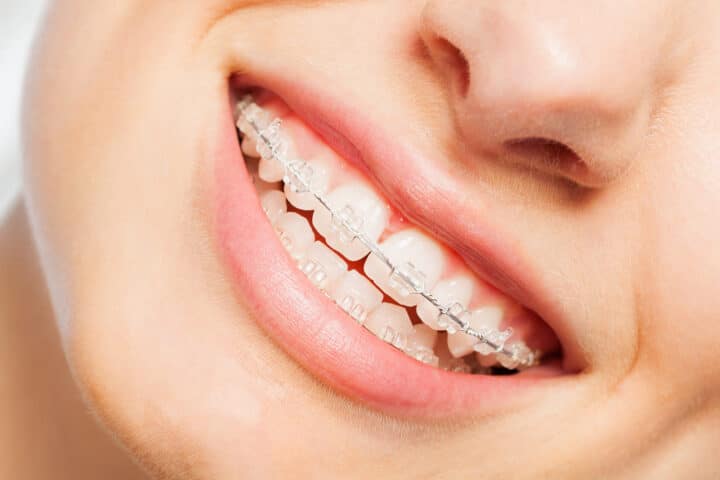
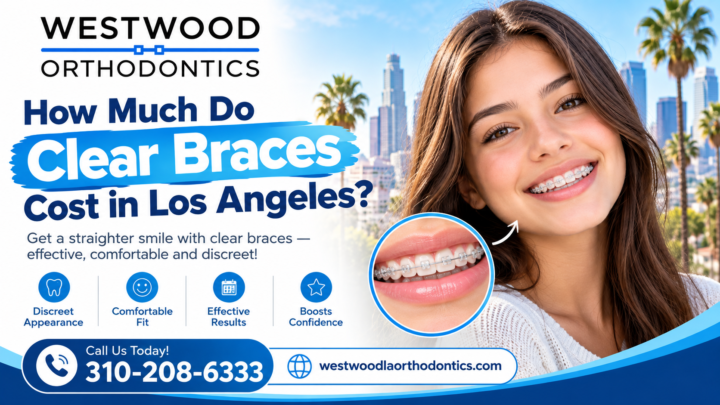
Clear braces work much like traditional braces, but the brackets are made from ceramic or tooth-colored material instead of metal. This makes them less noticeable when you smile, speak, or take photos.
Clear braces still use brackets and wires, so they provide fixed orthodontic correction. The main advantage is appearance. Many teens and adults choose clear braces because they want the reliability of braces with a more subtle look.
Clear braces may be a good fit if you want:
- A less visible option than metal braces
- Fixed treatment that stays on your teeth
- More control than removable aligners may offer in some cases
- A professional or photo-friendly orthodontic option
- An alternative to Invisalign if aligners are not the best fit
Clear braces are not invisible, but they are much less noticeable than traditional metal braces. Our team can help you compare clear braces in Los Angeles with metal braces and Invisalign during your consultation.
Which Option Looks Better?
If appearance is your top concern, clear braces usually have the advantage. The tooth-colored brackets blend in better with natural teeth, which makes them popular with adults, college students, and image-conscious teens.
Traditional braces are more visible because of the metal brackets and wires. Some patients do not mind this, especially if they want a durable, practical option. Others prefer clear braces because they want orthodontic treatment to feel more discreet.
The best choice depends on your comfort level. If you are worried about how braces will look at work, school, or social events, clear braces may feel easier to wear.
Which Option Is More Comfortable?
Traditional braces and clear braces feel similar because both use brackets and wires. With either option, you may feel pressure after placement or adjustment visits. That pressure is normal and usually improves as your teeth adjust.
Clear braces may feel slightly smoother to some patients, depending on the bracket design. Traditional braces may feel more noticeable at first because of the metal brackets. With both options, orthodontic wax can help if a bracket or wire irritates your cheeks or lips.
Comfort usually improves after the first few days. Our team will show you how to care for your braces and what to do if something feels uncomfortable.
Which Braces Work Faster?
Clear braces and traditional braces can have similar treatment timelines when used for the right case. Treatment speed depends more on your teeth, bite, treatment complexity, and how well you follow instructions than on bracket color.
Your timeline may depend on:
- How crowded or spaced the teeth are
- Whether bite correction is needed
- How the teeth respond to movement
- Whether rubber bands or other appliances are needed
- How well you keep appointments
- Whether brackets or wires are damaged during treatment
For many patients, braces treatment may take 12 to 24 months, but some cases are shorter or longer. During your consultation, Dr. Gao can explain what kind of timeline is realistic for your smile.
Do Clear Braces Cost More Than Traditional Braces?
Clear braces may cost more than traditional braces because of the ceramic or tooth-colored bracket materials. Traditional metal braces are often the more budget-friendly option.
Cost can also depend on treatment complexity, appointment needs, insurance benefits, financing, and total treatment time. The best way to compare cost is to have an orthodontic evaluation and review your options side by side.
At Westwood Orthodontics, our team helps patients understand fees, insurance coordination, and available payment options before treatment begins. This gives you a clearer picture of what each option may cost for your specific case.
Are Clear Braces Harder to Care For?
Clear braces require good hygiene and careful eating habits. The ceramic brackets are designed to blend with your teeth, but elastic ties or surrounding areas can show stains if you frequently drink coffee, tea, red wine, or dark-colored beverages without proper cleaning.
With either traditional or clear braces, you should:
- Brush carefully around brackets and wires
- Floss daily with orthodontic tools
- Avoid sticky, hard, or chewy foods
- Keep regular orthodontic appointments
- Call the office if a bracket breaks or a wire pokes
- Follow instructions for rubber bands if prescribed
Clear braces can look great throughout treatment when patients keep them clean and avoid foods or habits that stain.
Traditional Braces vs. Clear Braces vs. Invisalign
Some patients compare braces options with Invisalign. Invisalign uses removable clear aligners instead of fixed brackets and wires. It can be a strong option for patients who want a nearly invisible treatment and can wear aligners consistently.
However, Invisalign is not the best choice for every case. Braces may be recommended when more controlled movement is needed or when a fixed appliance is more predictable.
Here is the simple difference:
| Option | Best Fit |
| Traditional braces | Durable, reliable correction for many case types |
| Clear braces | Less noticeable fixed treatment |
| Invisalign | Removable clear aligner treatment for good candidates |
If you are not sure which option fits your smile, our orthodontic treatments page can help you explore the main choices before your visit.
Which Braces Are Right for You?
Traditional braces and clear braces can both create healthy, confident smiles. Traditional braces are durable, reliable, and often more cost-effective. Clear braces offer a more discreet look while still providing the control of fixed orthodontic treatment.
If you are comparing traditional braces vs clear braces, the best answer depends on your teeth, bite, appearance preferences, budget, and treatment goals. Dr. Gao and Dr Vuong can evaluate your smile and explain which option is likely to give you the most predictable result. Contact the office or schedule an appointment to get personalized guidance based on your smile and treatment goals.
Frequently Asked Questions
Are clear braces as effective as traditional braces?
Yes. Clear braces can be highly effective for many orthodontic cases. The best option depends on your teeth, bite, treatment complexity, and orthodontist’s recommendation.
Do clear braces stain?
The ceramic brackets themselves are designed to resist stains, but elastic ties or areas around the braces may discolor if oral hygiene is poor or if staining foods and drinks are consumed often.
Are traditional braces cheaper than clear braces?
Traditional metal braces are often more affordable than clear braces. Clear braces may cost more because of the materials used and their more discreet appearance.
Which braces are better for adults?
Adults often choose clear braces because they are less noticeable, but traditional braces may be better for patients who want a durable and cost-effective option. A consultation helps determine the better fit.
Can I switch from traditional braces to clear braces?
In some cases, changes may be possible, but it depends on your treatment plan and timing. It is better to choose the right option at the beginning with guidance from your orthodontist.
Westwood Orthodontics
Dr. Lisa Gao and Dr. Ivy Vuong are board-certified orthodontists committed to delivering exceptional orthodontic care with a personal touch. Specializing in braces and Invisalign for patients of all ages. Schedule your free consultation today — a smile can change everything!
Schedule Your Free Consultation

A Smile Can Change Everything
Braces & Invisalign for kids, teens & adults in Los Angeles, CA. Board certified orthodontists — schedule your free consultation today!
Schedule Free Consultation