
Article Summary
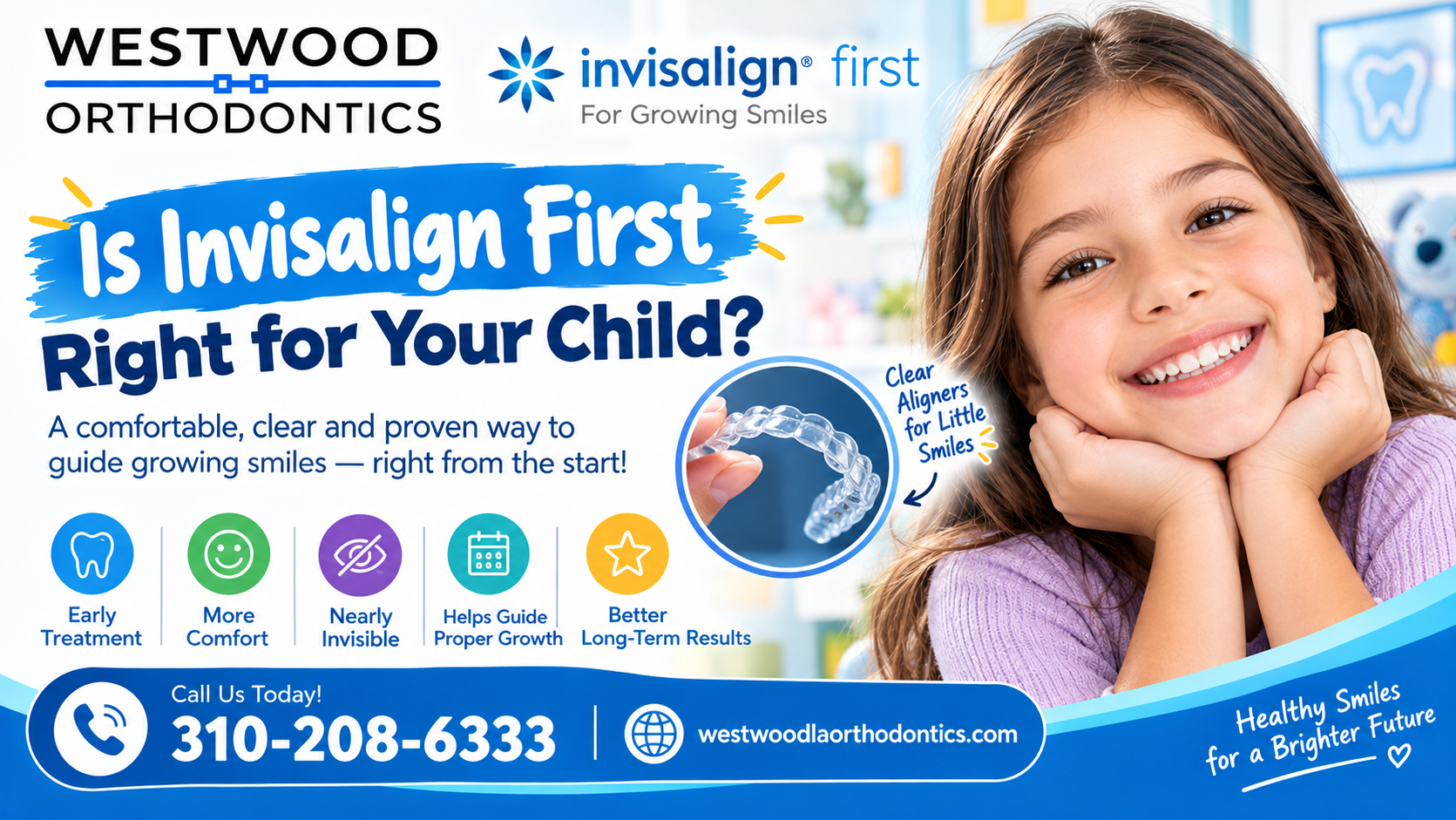
Invisalign First is best for several children ages 6 to 10 who need early Phase 1 treatment to guide jaw growth and create space for permanent teeth. This clear aligner system works well for crowding, spacing, and narrow arches, and kids often like that it is removable and more comfortable than traditional brackets and wires. The tradeoff is that success depends on a child actually wearing the aligners 20 to 22 hours a day and being responsible enough to keep track of them. Complex bite or skeletal problems may still require traditional appliances instead.
Invisalign First is the best choice for your child if they are between 6 and 10 years old and still have a mix of baby teeth and permanent teeth. It helps with jaw growth, crowding, spacing, or a narrow dental arch, rather than a serious skeletal issue.
This clear aligner system was built specifically for early orthodontic treatment. It gives families a removable option to traditional Phase 1 orthodontics that still helps growing jaws and makes room for incoming adult teeth. Whether it is truly the best option depends on your child’s unique dental development and how responsible they are likely to be with a removable appliance.
In this article, we’ll walk through how Westwood Orthodontics explains Invisalign First. We’ll also cover what it treats and how to tell whether your child is a good candidate.
What Is Invisalign First?
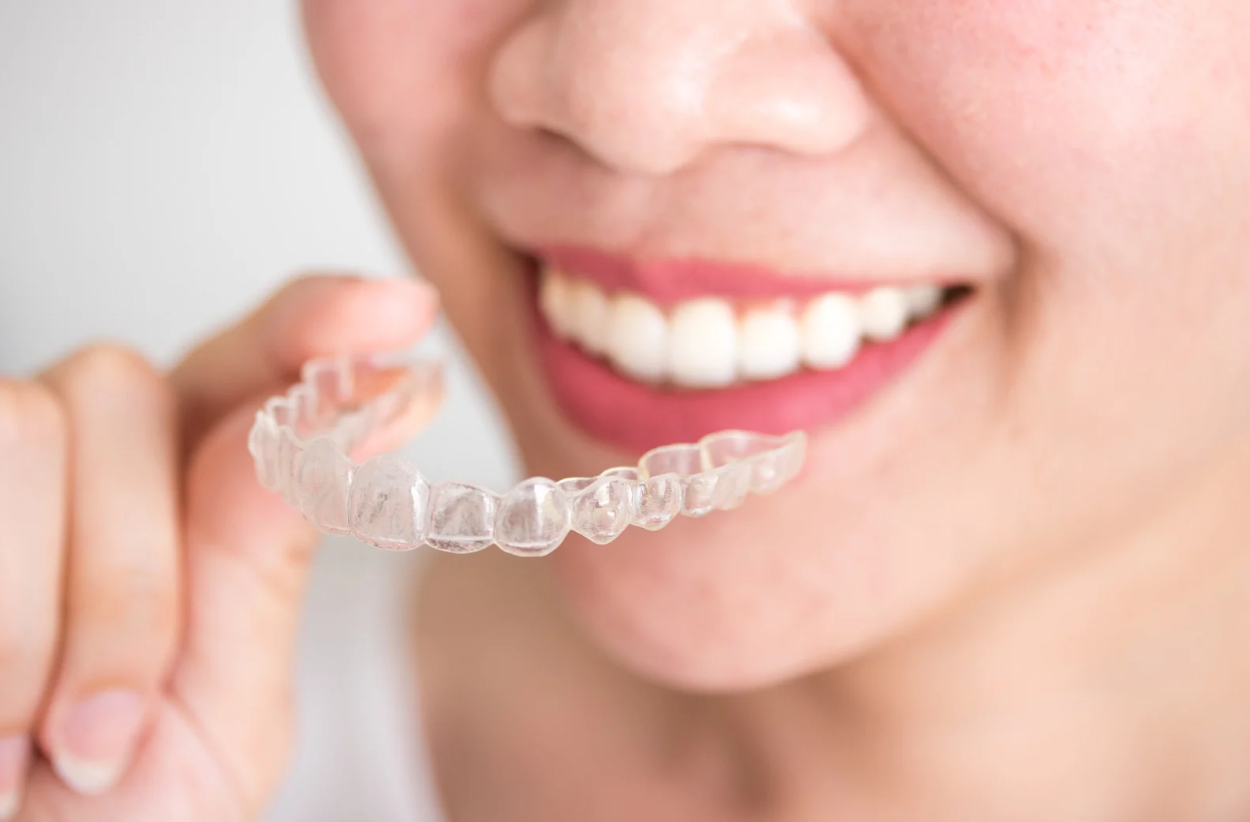
Invisalign First is a clear aligner system. It was created specifically for children in the mixed dentition stage. This is when baby teeth and permanent teeth are both present in the mouth at the same time. According to Invisalign’s official site, Invisalign First aligners are specially designed for kids ages 6 to 10 and are built to fit smaller mouths. Teeth are still developing, and Invisalign treats a wide range of orthodontic problems as a child grows. Instead of waiting until every adult tooth has developed, this system works with a growing child’s natural development to help jaw growth and free up space for coming teeth.
What Age Is Right for Invisalign First?
The best age for Invisalign First is usually between 6 and 10 years old. This aligns closely with when most orthodontists recommend a first evaluation. According to the American Association of Orthodontists, children have their first orthodontic check-up no later than age 7.
Because enough permanent teeth have typically grown by then for an orthodontist to spot early signs of crowding, bite problems, or a narrow arch. But dental development is more important than chronological age. So your orthodontist considers your child’s development and tooth eruption before deciding.
What Problems Can Invisalign First Treat?
Invisalign First can treat a broad range of early orthodontic problems. It can address crowded teeth, spacing issues, and narrow dental arches that need gentle widening to make room for incoming adult teeth.
According to Invisalign’s official page, the system is designed to treat teeth-straightening problems in growing children, from simple to complex. It specifically includes crowding, spacing, and narrow arches. Beyond straightening, Invisalign First can also help guide jaw growth and solve early bite problems such as crossbite, overbite, or underbite. These are often easier to correct while a child’s jaw is still growing than later.
What Are the Benefits of Invisalign First for Kids?
The advantages of Invisalign First for children come mainly from the fact that the trays are removable and are composed of smooth plastic rather than fixed metal hardware. This changes the day-to-day experience of treatment quite a bit for a growing child.
Removable and easy to clean
Kids may require Invisalign First aligners to eat and to brush and floss normally. This makes it much simpler to keep both the teeth and the aligners clean during treatment. This is the biggest benefit as compared to fixed appliances, where food can become stuck around brackets and wires no matter how carefully a child brushes.
No metal brackets or wires
Without metal brackets or wires, nothing can damage or irritate the inside of the cheeks and lips. This makes the day-to-day experience more comfortable for younger kids. Additionally, smooth plastic trays mean less soreness right after a new set is introduced rather than after a fresh wire adjustment.
Fewer emergency visits
No metal hardware to break or come loose. Many families typically experience fewer urgent trips back to the orthodontist to fix a poking wire or a popped bracket. A missing or cracked aligner is often a simple fix compared to an emergency bracket repair.
What Are the Downsides of Invisalign First?
- The main downside of Invisalign First is that it only works if a child actually wears the aligners regularly. It requires real responsibility for something as young as six or seven years old.
- Success depends on wearing the trays 20 to 22 hours a day. A child who usually forgets to put them back in after meals or loses them altogether will not get the results a fixed appliance would guarantee automatically.
- Serious bite problems or complex skeletal issues may still require traditional Phase 1 braces or a specialized expander. Some cases genuinely need the constant, fixed pressure that removable aligners cannot fully replicate.
Invisalign First vs. Traditional Phase 1 Braces
Invisalign First and traditional Phase 1 braces can both effectively solve early orthodontic concerns. The best option typically comes down to your child’s personality and your family’s confidence in their ability to follow the daily wear schedule.
Traditional braces do the work automatically without requiring daily discipline from your child. This may reassure parents who aren’t confident their child will keep up with removable aligners. Conversely, Invisalign First gives kids more freedom during meals, sports, and school activities, but requires regular follow-through at home.
Invisalign First | Traditional Phase 1 Braces |
| Removable for eating and brushing | Fixed in place, no daily removal required |
| No metal to irritate cheeks or lips | Metal brackets and wires attached to teeth |
| Fewer emergency repair visits | Regular bracket or wire repairs |
| Need regular daily wear from the child | Works automatically without regular compliance |
Frequently Asked Questions
What age is Invisalign First designed for?
Invisalign First is customized for children roughly ages 6 to 10 who still have a mix of baby teeth and permanent teeth.
Is Invisalign First as effective as traditional Phase 1 braces?
These options may effectively treat crowding, spacing, and early bite problems, though outcomes with Invisalign First depend on regular daily wear.
How many hours a day does my child need to wear Invisalign First?
Children want to wear Invisalign First aligners about 20 to 22 hours a day. They remove them only to eat and to brush and floss.
Can Invisalign First fix a crossbite or overbite?
Invisalign First may solve early bite problems, including crossbite, overbite, or underbite, along with crowding and spacing issues.
Will my child still need braces after Invisalign First?
Several children still require Phase 2 treatment later. Phase 1 options such as Invisalign First focus on jaw growth and space rather than final alignment.
Does insurance cover Invisalign First the same as braces?
Several dental insurance plans treat Invisalign First the same as traditional Phase 1 braces, though coverage still depends on your specific policy.
Bottom Line
Invisalign First can be a great choice for children ages 6 to 10 who want early treatment for crowding, spacing, a narrow arch, or an early bite problem. As long as they can wear the aligners regularly. Traditional Phase 1 braces remain the better fit for children who want fixed, hands-off treatment or who have more complicated skeletal problems. An honest orthodontic consultation is the best way to determine which path fits your child’s specific case.
At Westwood Orthodontics, we assess each child’s dental development individually before recommending Invisalign First or another Phase 1 option. Book a consultation with us now to see whether Invisalign First is the best option for your child.
Westwood Orthodontics
A Smile Can Change Everything
Braces & Invisalign for kids, teens & adults in Los Angeles, CA. Board certified orthodontists — schedule your free consultation today!
Schedule Free Consultation