
Article Summary
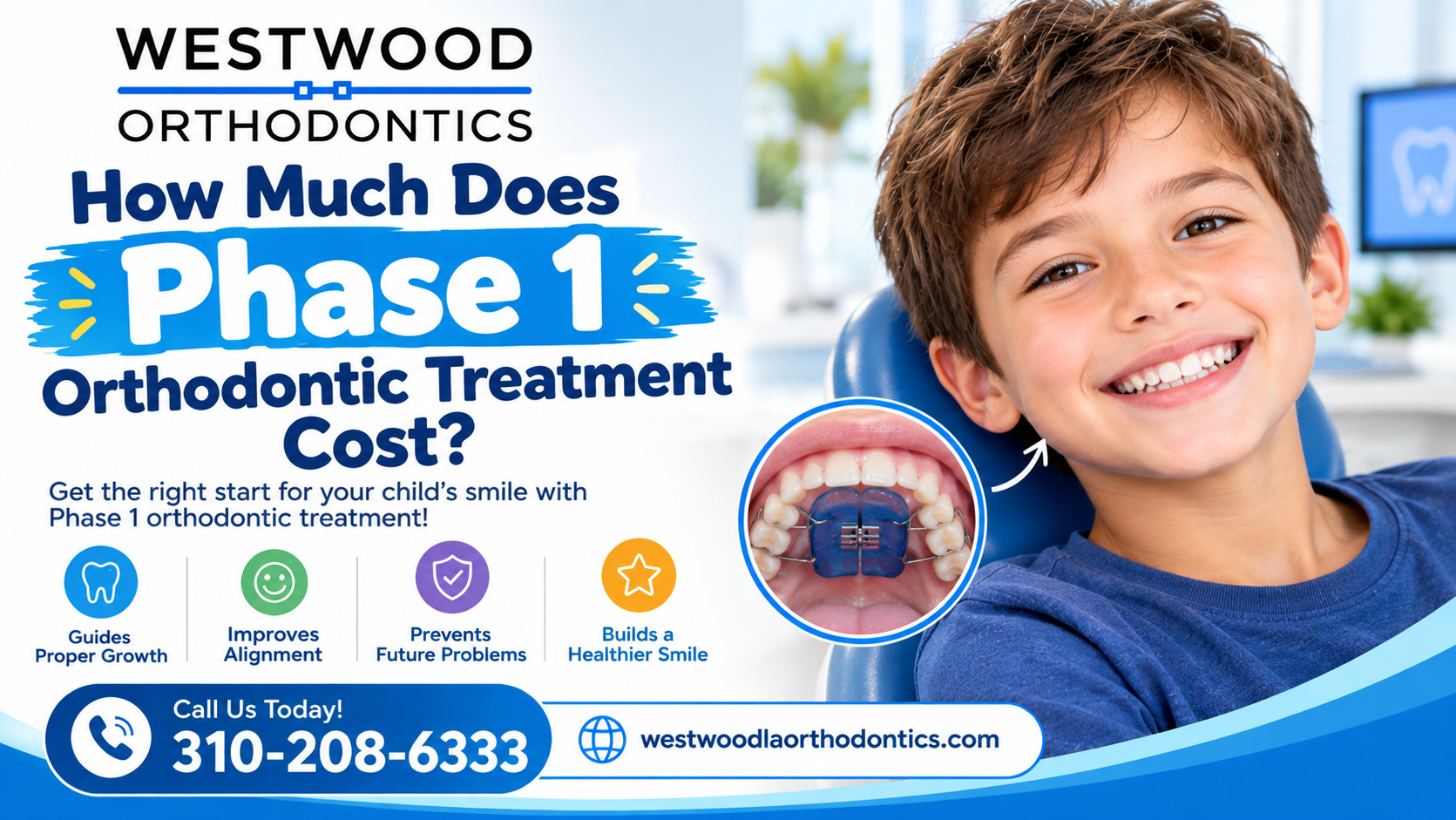
Phase 1 orthodontic treatment costs, on average, range from $2,000 to $4,500. The exact number depends on which appliances a child needs. A standalone appliance like a palatal expander often costs $500 to $1,500, while a combination of structural appliances and partial braces on average is in the $2,000 to $4,500 range, and early clear aligner programs can reach $3,000 to $5,000. Phase 1 rarely replaces the need for Phase 2 treatment later. But it can guide jaw growth, create space for permanent teeth, and sometimes prevent more invasive procedures later.
Phase 1 orthodontic treatment average costs are between $2,000 and $4,500. A child who only needs a standalone appliance may pay closer to $500 to $1,500, while early clear aligner programs can run $3,000 to $5,000. This early orthodontic treatment, also called interceptive orthodontics, focuses on guiding jaw growth and correcting foundational bite issues in children that have ages of about 6 to 10. It makes it less expensive than comprehensive, full-mouth braces later in the teen years.
The final number depends heavily on the specific orthodontic appliances your child needs and how complex their case turns out to be. Below, Westwood Orthodontics breaks down what drives Phase 1 pricing, how it compares to Phase 2 treatment later on, and what insurance and payment plans typically cover.
How Much Does Phase 1 Orthodontic Treatment Cost on Average?
The average cost of Phase 1 orthodontic treatment is between $2,000 and $4,500 for most children. This range reflects that Phase 1 is intentionally more limited in scope than a full course of comprehensive treatment. Because early orthodontic intervention focuses on jaw growth and development rather than final cosmetic alignment.
Orthodontists can often achieve meaningful results with fewer appliances and a shorter treatment window than comprehensive teenage braces require. Most Phase 1 treatment plans run somewhere between 6 and 18 months. It also depends on what a child’s case calls for.
What Determines the Cost of Phase 1 Treatment?
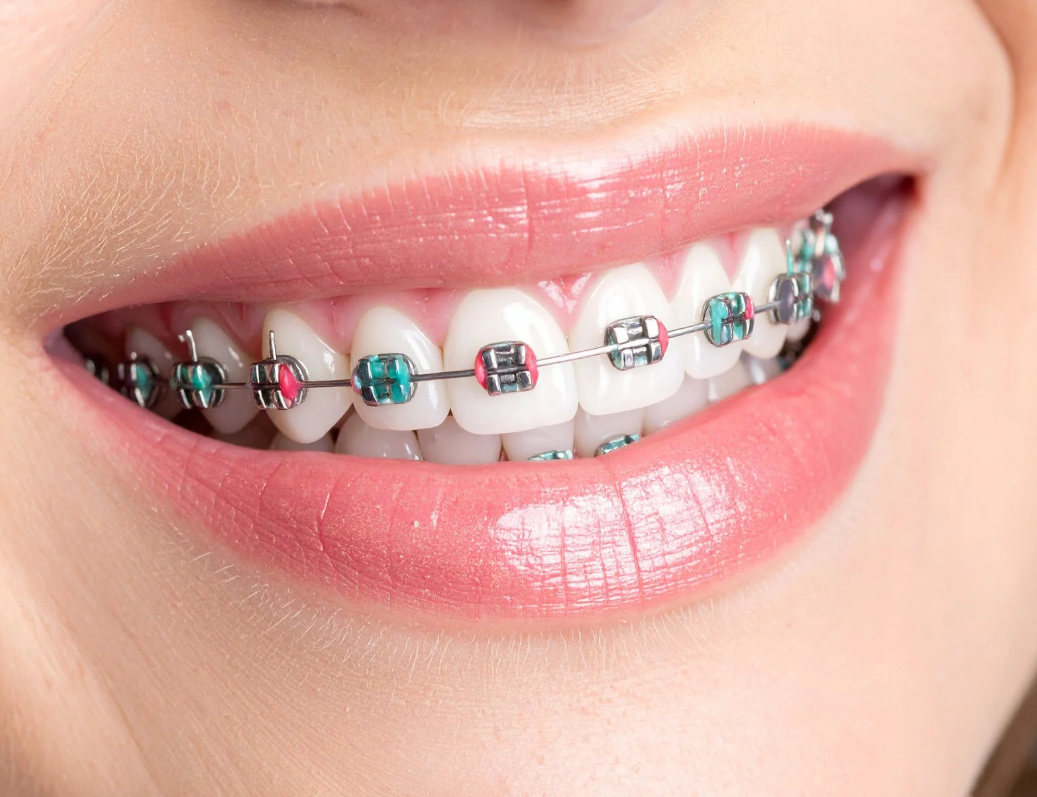
The cost of Phase 1 treatment depends mainly on which orthodontic appliances your child needs, since orthodontists customize every plan around the child’s specific developmental needs rather than using a one-size-fits-all approach.
Appliance-only Treatment
If your child needs only a standalone foundational tool, such as a palatal expander to widen a narrow jaw or a habit appliance to stop thumb sucking, the cost is usually the lowest of the three main categories. It often ranges (on average) between $500 and $1,500. This option works well for children with a single, well-defined issue rather than multiple concerns.
Braces plus Appliances
This is the most common Phase 1 scenario, typically costing between $2,000 and $4,500, and it involves structural appliances combined with partial metal or clear braces on the front teeth to guide erupting adult teeth into a better position. Combining tools this way lets an orthodontist address both jaw development and early crowding and spacing in the same treatment window.
Early Clear Aligners
Programs specifically designed for Phase 1 early intervention, similar to Invisalign First, sit at the higher end of the pricing spectrum, often running $3,000 to $5,000. These programs use a removable aligner system built for a child’s mixed set of primary teeth and permanent teeth, which some families prefer over fixed appliances for younger kids.
Why Do Orthodontists Recommend Early Treatment?
Orthodontists recommend early treatment because certain jaw and bite problems are much easier to correct when a child’s bones are still growing, unlike after growth has finished. The American Association of Orthodontists recommends that children have their first orthodontic evaluation no later than age 7, since enough permanent teeth have usually erupted by then for a trained orthodontist to spot early signs of crowding, crossbite, or jaw growth concerns. This does not mean every child needs treatment at that age. It simply means catching potential issues early gives your orthodontist more options for guiding growth naturally.
According to the American Association of Orthodontists, the goal of early orthodontic treatment is to intercept a developing problem, eliminate the cause when possible, guide the growth of the jaw and facial bones, and create adequate space for permanent teeth as they come in. Crossbite treatment, overbite treatment, and underbite treatment are common reasons a child might need Phase 1 care, along with general crowding and spacing issues that would only get more complicated to fix as a child gets older.
Phase 1 vs. Phase 2: What’s the Long-Term Cost Picture?
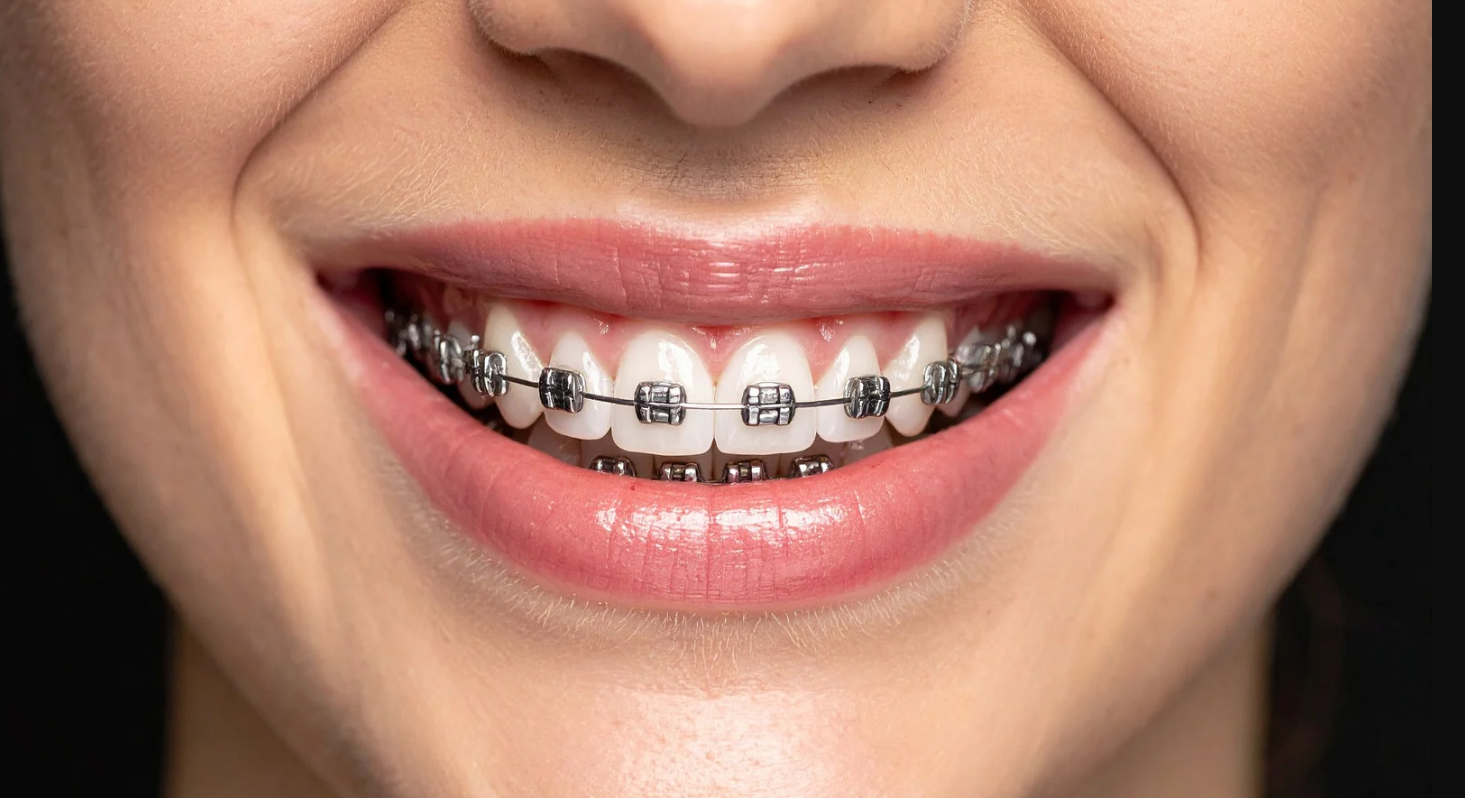
Phase 1 rarely eliminates the need for future orthodontics, and most children who complete early treatment will still need Phase 2 treatment, meaning full braces or aligners, during their early teenage years to finalize their bite and alignment.
Phase 1 averages $2,000 to $4,500, followed by a resting or observation period that is often included or billed at a minimal fee while the remaining permanent teeth erupt naturally. Then Phase 2 averages another $3,000 to $7,000 once every adult tooth is in place. Together, two-phase orthodontic treatment averages $5,000 to $9,500 across both stages.
Choosing a two-phase treatment plan usually costs about 25% more overall than waiting and completing a single round of comprehensive teenage braces instead. That said, Phase 1 can prevent the need for far more invasive procedures later, such as permanent tooth extractions or corrective jaw surgery, which is why many orthodontists still recommend it for children whose case shows a clear benefit from early intervention.
Application category | What’s Typically Involved | What Can Affect the Cost |
| Appliance-only | A palatal expander or habit- breaking appliance alone | Single, well-defined issue, shorter timeline |
| Braces plus appliances | Structural appliances with partial braces on front teeth | Combination of jaw guidance and early alignment |
| Early clear aligners | A removable aligner system built for mixed definition | Custom trays, provider fees, treatment length |
Does Dental Insurance Cover Phase 1 Orthodontics?
Dental insurance covers part of Phase 1 orthodontics if your plan includes orthodontic benefits. But the coverage may differ from what many parents expect. Most insurance plans with orthodontic coverage pay around 50% of the treatment cost up to a lifetime maximum, usually $ 1,000 to $3,000, and most importantly, this doesn’t reset between stages of treatment. That means using your benefit for Phase 1 will reduce what remains available when your child needs Phase 2 treatment a few years later, so it is worth planning both stages with that lifetime maximum in mind rather than treating each phase as a separate benefit.
Payment Plans and Financing for Phase 1 Treatment
Most orthodontists offer in-house, interest-free payment plans that split the Phase 1 treatment fee into manageable monthly payments over the typical 6-to-18-month treatment timeline. This makes the out-of-pocket cost far easier to absorb than paying the full amount upfront. Families can also use Flexible Spending Account or Health Savings Account funds to pay for Phase 1 treatment using pre-tax dollars, which effectively lowers the real cost by avoiding income tax on that portion of the payment.
FAQs
How much does Phase 1 orthodontic treatment cost on average?
The average cost of Phase 1 treatment is between $2,000 and $4,500, though appliance-only cases can cost less and early aligner programs can cost more.
Will my child still need braces after Phase 1?
Yes, most children need Phase 2 treatment after completing Phase 1 because Phase 1 covers jaw growth and space, not full cosmetic alignment.
What age is Phase 1 orthodontic treatment usually done?
The age division starts at 6 to 10, which is considered Phase 1, but during this phase children still have both primary and permanent teeth.
Does insurance cover Phase 1 and Phase 2 separately?
No, most plans apply both phases toward the same lifetime maximum, so using benefits for Phase 1 reduces what is left for Phase 2.
How much does a palatal expander cost on its own?
A standalone palatal expander or similar appliance usually costs (on average) between $500 and $1,500, depending on the complexity of the case.
Is Phase 1 treatment worth the extra long-term cost?
For children with a clear early issue, Phase 1 can prevent more invasive treatment later, like extractions or jaw surgery, even though the total two-phase cost runs higher.
Final thoughts
As you review the information above, Phase 1 orthodontic treatment average costs between $2,000–$4,500. But the exact cost depends on your child’s needs and whether you choose a standalone appliance, braces combined with appliances, or an early clear aligner program. On the other hand, children still need phase 2 treatment after that: early orthodontic intervention, which guides jaw growth, creates space for permanent teeth, and sometimes addresses more invasive procedures under the line.
You get clear guidance on insurance and how it works, payment plans, and a picture of the two-phase cost, all put together to help parents. Westwood Orthodontics offers an initial consultation to raise awareness of early treatment so your child can take advantage of the benefits. If you found the information helpful, schedule a consultation with Westwood Orthodontics today to get a clear plan and cost estimate for your child.
Westwood Orthodontics

A Smile Can Change Everything
Braces & Invisalign for kids, teens & adults in Los Angeles, CA. Board certified orthodontists — schedule your free consultation today!
Schedule Free Consultation