
By Dr. Lisa Gao, DDS, MS
Retainers after braces are essential because teeth can shift after orthodontic treatment. Braces move your teeth into better alignment, but retainers help hold that alignment in place while the bone, gums, and surrounding tissues adjust. Without consistent retainer wear, teeth may gradually move back toward their old positions.
At Westwood Orthodontics, retention is treated as an important part of orthodontic care, not an afterthought. Whether you had braces, clear braces, or Invisalign, retainers help protect the smile you worked hard to achieve.
Braces apply controlled pressure to move teeth into better positions. Once the braces come off, your teeth may look straight, but the structures around them still need time to stabilize.
The ligaments and bone around the teeth can continue adjusting after treatment. During this stage, teeth are more likely to shift if they are not supported. Retainers help hold the teeth in place while your mouth adapts to the new alignment.
This is why retainers are one of the most important parts of orthodontic treatment. They help maintain the final result and reduce the risk of relapse.
If you do not wear your retainer as instructed, your teeth may start to move. This can happen slowly, so the change may not be obvious right away. Over time, however, small shifts can become noticeable.
You may notice:
In some cases, mild shifting may be corrected with a new retainer or limited treatment. If the movement is more significant, additional orthodontic treatment may be needed.
That is why it is better to address retainer problems early instead of waiting until the teeth have moved noticeably.
How long to wear retainers depends on your orthodontist’s instructions and your individual risk of shifting. Many patients wear retainers more often at first, then move into nighttime wear.
A typical retainer schedule may look like this:
| Retainer Stage | Common Wear Pattern | Purpose |
| First stage after braces | Full-time or as instructed | Helps stabilize teeth after active movement |
| Long-term stage | Nighttime wear | Helps prevent gradual shifting |
| Maintenance stage | Ongoing wear as directed | Protects the orthodontic result over time |
Your teeth can shift at any age, so retention matters long after braces are removed.
No. Retainers are needed after any treatment that moves teeth. That includes braces, clear braces, and Invisalign.
Many patients think retainers are only for traditional braces, but aligner treatment also requires retention. Once teeth have moved, they need support to stay in their new positions.
If you completed braces or Invisalign treatment, your retainer is what helps maintain your result after active treatment ends.
There are different types of retainers, and each has a specific purpose. Your orthodontist will recommend the option that fits your smile, bite, and treatment result.
Clear retainers look similar to thin aligner trays. They fit over the teeth and are usually removable. Many patients like them because they are discreet and comfortable.
A Hawley retainer uses an acrylic base and a wire that sits across the front teeth. It is removable and durable. In some cases, it can also be adjusted.
A fixed retainer is a thin wire bonded behind the teeth, often behind the lower front teeth. It stays in place and helps prevent shifting in areas that are more likely to relapse.
Some patients may need one type of retainer. Others may benefit from a combination, such as a fixed lower retainer and a removable upper retainer.
Teeth shift because the mouth is not completely static. Even after orthodontic treatment, your teeth are affected by chewing forces, tongue pressure, lips, aging, and changes in the bone and gums.
Common reasons teeth shift include:
Retainers help manage these forces by keeping teeth in the corrected positions. They do not stop every natural change, but they greatly reduce the risk of unwanted movement.
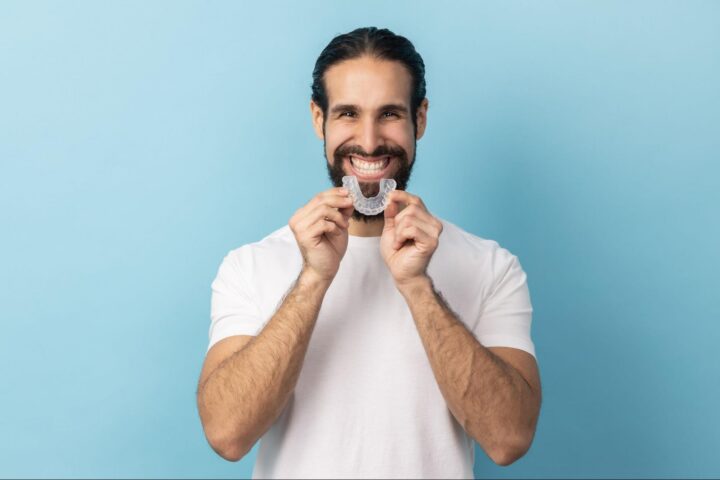
Good retainer care helps keep the appliance clean, comfortable, and effective. A damaged or warped retainer may not hold your teeth properly.
Basic retainer care tips include:
If your retainer feels too tight, too loose, cracked, or uncomfortable, do not ignore it. Contact your orthodontist before the teeth shift further.
If your retainer no longer fits, it may mean your teeth have shifted or the retainer has changed shape. Do not force it into place, especially if it causes pain or does not seat fully.
The best step is to schedule a retainer check. Your orthodontist can determine whether you need a replacement retainer, an adjustment, or limited tooth movement to correct shifting.
The sooner you act, the easier it may be to protect your smile.
Retainers are designed to hold teeth in place, not to move them significantly. If your teeth have shifted slightly, your retainer may feel tight, but that does not always mean it can safely correct the movement.
If the shifting is minor, your orthodontist may recommend a new retainer or small adjustment. If the teeth have moved more noticeably, additional orthodontic treatment may be needed.
This is why wearing your retainer consistently is much easier than trying to correct shifting later.
If you are maintaining your smile after braces, the goal is to protect your result with clear instructions, careful follow-up, and retainers that fit properly. Westwood Orthodontics provides braces, Invisalign, clear braces, retainers, and personalized orthodontic care for children, teens, and adults in Westwood and nearby Los Angeles communities.
Westwood Orthodontics welcomes patients at 1060 Glendon Ave, Los Angeles, CA 90024, United States. To schedule a free consultation, call 310-208-6333 or text 424-414-2120.
Our office is located in Westwood Village, just steps from UCLA’s campus, with convenient access from Beverly Hills, Brentwood, Santa Monica, Culver City, and nearby Westside Los Angeles communities.
Retainers are one of the most important parts of maintaining your smile. Braces create the alignment, but retainers help preserve it.
Wearing your retainer as instructed can prevent tooth shifting, protect your bite, and reduce the chance of needing more orthodontic treatment later. If your retainer feels tight, breaks, or no longer fits, it is better to schedule a check sooner rather than waiting.
At Westwood Orthodontics, Dr. Lisa Gao, DDS, MS, and Dr. Ivy Vuong, DDS, help patients protect their orthodontic results with customized retention plans and clear guidance.
Schedule your visit today if you need a retainer check, replacement, or help maintaining your smile after braces.
You need retainers after braces because teeth can shift once active orthodontic treatment ends. Retainers help hold teeth in their corrected positions and protect your final result.
Your orthodontist will give you specific instructions. Many patients wear retainers more often at first, then switch to nighttime wear for long-term maintenance.
Your teeth may begin to shift. You may notice crowding, spacing, bite changes, or a retainer that feels too tight when you try to wear it again.
Yes. Retainers are needed after Invisalign, braces, and clear braces. Any treatment that moves teeth requires retention afterward.
Do not force it. Schedule a retainer check so your orthodontist can see whether the retainer needs replacement or whether your teeth have shifted.
By Dr. Lisa Gao, DDS, MS
Adult orthodontics can help improve tooth alignment, bite function, oral health, and smile confidence at almost any age. Many adults choose orthodontic treatment because their teeth shifted after past braces, they never had treatment as children, or they want a healthier, more balanced smile with modern options like braces, clear braces, or Invisalign.
At Westwood Orthodontics, adult treatment is planned around your teeth, bite, lifestyle, and long-term goals. Whether you want a subtle improvement or more comprehensive correction, the right plan starts with a careful evaluation.
More adults are starting orthodontic treatment because modern care feels more flexible, comfortable, and discreet than many people expect. Treatment is no longer limited to traditional metal braces, and adults have options that can fit professional, social, and family routines.
Some adults come in because they have crowding or spacing that has bothered them for years. Others notice their teeth shifting over time. Some are referred by their dentist because of bite issues, gum concerns, tooth wear, or difficulty cleaning between crowded teeth.
Adult orthodontic care is not about age. It is about whether your teeth, gums, and supporting bone are healthy enough for safe tooth movement.
Adult orthodontic treatment can improve both the appearance and function of your smile. While many patients first think about aesthetics, the benefits often go beyond how the teeth look.
A straighter smile can make everyday moments feel easier. Adults often say they feel more comfortable smiling in photos, speaking at work, meeting new people, or attending important events after treatment.
This does not mean every patient needs a dramatic change. Sometimes small corrections can make a meaningful difference in how someone feels about their smile.
Crowded or overlapping teeth can trap food and plaque in areas that are difficult to reach with a toothbrush or floss. Over time, this may increase the risk of cavities, gum irritation, and tartar buildup.
By moving teeth into better positions, adult orthodontics can make daily cleaning easier. This does not replace routine dental care, but it can help support better long-term oral hygiene.
Orthodontics also looks at how the upper and lower teeth fit together. A poor bite can place uneven pressure on certain teeth and may contribute to tooth wear, chipping, jaw strain, or chewing discomfort.
A better bite can help teeth work together more comfortably and may support long-term dental stability.
Adults have several orthodontic treatment options today. The right choice depends on the complexity of your case, your goals, and how you want treatment to fit into your daily life.
| Treatment Option | How It Works | Why Adults Choose It |
| Braces | Brackets and wires gradually move teeth | Strong control for many alignment and bite issues |
| Clear braces | Tooth-colored or less noticeable brackets | More discreet than traditional braces |
| Invisalign | Clear removable aligners move teeth in stages | Removable, subtle, and convenient for many adults |
| Retainers | Hold teeth in place after treatment | Protects the final result long-term |
At Westwood Orthodontics, patients can learn more about braces, clear braces, and Invisalign before deciding which option feels right.
Invisalign can be a strong option for many adults who want a more discreet treatment. The aligners are clear and removable, which means you can take them out to eat, brush, and floss.
This flexibility is one reason many adults like Invisalign. It can fit more easily into work meetings, social events, and daily routines.
However, Invisalign only works well when the aligners are worn as instructed. If the aligners are left out too often, treatment may take longer or become less predictable. Invisalign may also not be the best option for every complex bite or tooth movement.
A consultation helps determine whether aligners can give you the result you want.
Yes. Braces are still a reliable option for adults, especially when more controlled tooth movement is needed. They may be recommended for complex crowding, rotated teeth, bite correction, or cases where aligners may not provide the best control.
Some adults worry that braces will look too noticeable. Clear braces can offer a more subtle option while still giving the orthodontist strong control over tooth movement.
The best treatment is not always the most invisible one. The best treatment is the one that can move your teeth safely and predictably.
No. Adults are not too old for orthodontic treatment as long as their teeth and gums are healthy enough for movement. Many adults begin treatment in their 30s, 40s, 50s, and beyond.
The main difference with adult treatment is that planning may need to account for existing dental work or oral health concerns. Adults may have crowns, fillings, implants, gum recession, missing teeth, or past dental treatment that affects the plan.
That does not mean treatment is not possible. It simply means your orthodontist needs to evaluate the full picture before making recommendations.

An adult orthodontic consultation is designed to give you clear answers. At Westwood Orthodontics, your first visit may include a discussion of your goals, a smile and bite evaluation, digital records, and a review of treatment options.
The consultation may help answer:
Treatment time varies depending on the complexity of the case. Some adults need minor alignment correction, while others need more detailed bite correction.
In general, treatment may take several months to two years or more. The timeline depends on how far the teeth need to move, the type of treatment selected, and how well the patient follows instructions.
For example, Invisalign patients need to wear aligners consistently. Braces patients need to keep appointments and follow care instructions. In both cases, consistency helps treatment stay on track.
Yes. Retainers are needed after adult orthodontic treatment because teeth can shift over time. This is true whether you choose braces, clear braces, or Invisalign.
Retainers help hold your teeth in their new positions after active treatment ends. Without them, teeth may gradually move back toward their old alignment.
If you are considering adult orthodontics, the goal is to choose care that fits your life without compromising the quality of your result. Westwood Orthodontics provides braces, Invisalign, clear braces, retainers, and personalized orthodontic treatments for adults in Westwood and nearby Los Angeles communities.
Westwood Orthodontics welcomes patients at 1060 Glendon Ave, Los Angeles, CA 90024 To schedule a free consultation, call 310-208-6333 or text 424-414-2120.
Our office is located in Westwood Village, just steps from UCLA’s campus, with convenient access from Beverly Hills, Brentwood, Santa Monica, Culver City, and nearby Westside Los Angeles communities.
Adult orthodontics can improve the way your smile looks, but it can also support better oral hygiene, bite function, and long-term dental health. Whether you are interested in braces, clear braces, or Invisalign, the right treatment depends on your teeth, bite, goals, and lifestyle.
At Westwood Orthodontics, Dr. Lisa Gao, DDS, MS, and Dr. Ivy Vuong, DDS, help adults explore modern orthodontic options with careful planning and personalized care.
Schedule your free consultation today to learn what is possible for your smile.
Yes. Many adults are candidates for Invisalign. The right fit depends on the complexity of the tooth movement, bite concerns, and whether aligners can deliver the result predictably.
Yes. Braces are still a strong option for adults, especially when more detailed tooth movement or bite correction is needed.
Treatment time varies. Some adults need only several months, while more complex cases may take two years or longer.
Clear braces can be a good option for adults who want the control of braces with a less noticeable appearance than traditional metal brackets.
Yes. Retainers are needed after adult orthodontic treatment to help keep teeth from shifting and protect the final result.


Recent Comments