
By Dr. Lisa Gao & Dr. Ivy Vuong
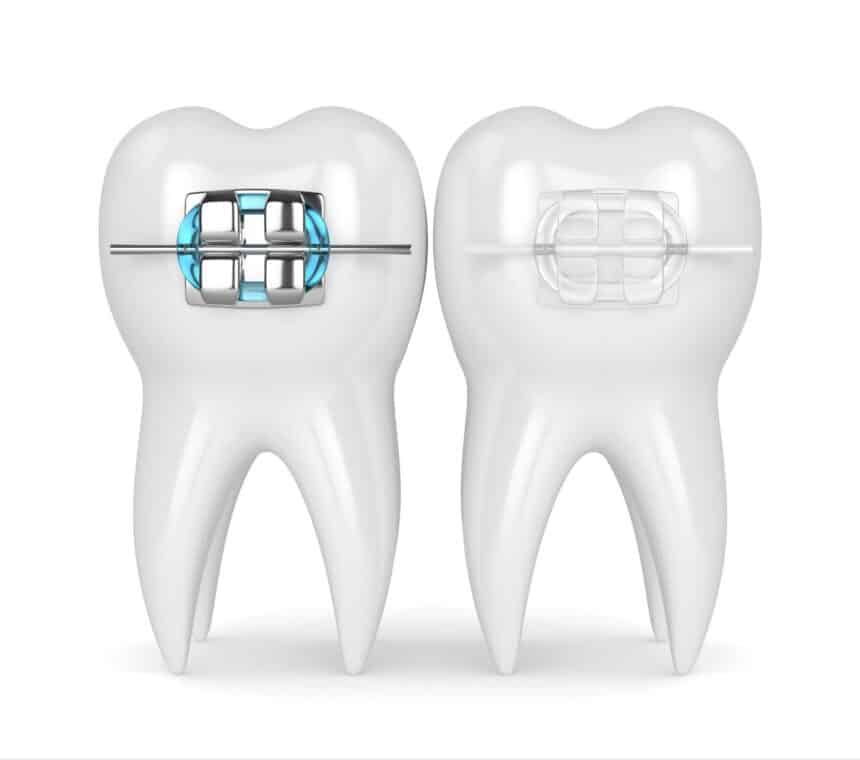
Traditional braces and clear braces both straighten teeth using brackets and wires. The main difference is appearance: traditional braces use metal brackets, while clear braces use tooth-colored or translucent brackets that blend in more naturally with your smile. Traditional braces are often more durable and cost-effective, while clear braces may be a better fit for patients who want a less noticeable treatment option.
At Westwood Orthodontics, our doctors help patients compare both options based on their teeth, bite, lifestyle, treatment goals, and budget. The right choice is not just about how braces look. It is about choosing the option that can move your teeth safely and predictably.
Both traditional braces and clear braces work well for many orthodontic cases. They can help correct crowding, spacing, crooked teeth, overbites, underbites, crossbites, and other bite concerns.
Here is a simple side-by-side comparison:
| Feature | Traditional Braces | Clear Braces |
| Appearance | Metal brackets and wires | Tooth-colored or clear brackets |
| Visibility | More noticeable | Less noticeable |
| Strength | Very durable | Strong, but may need more care |
| Staining risk | Brackets do not stain easily | Clear or tooth-colored parts may show stains if not cared for well |
| Cost | Often more affordable | May cost more |
| Best for | Kids, teens, adults, and complex cases | Teens and adults who want a more discreet look |
| Treatment effectiveness | Highly effective | Highly effective when recommended for the case |
The better option depends on what matters most to you and what your orthodontist recommends after evaluating your smile.
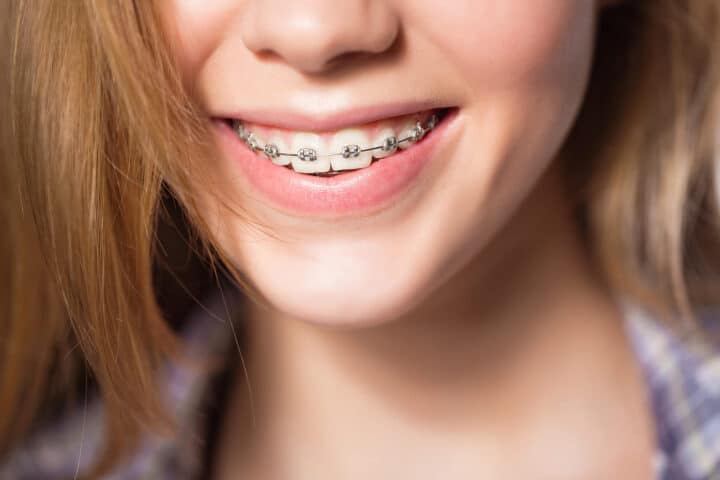
Traditional braces use stainless steel brackets that are attached to the front of the teeth. A wire runs through the brackets and applies gentle pressure to guide the teeth into better positions over time.
Traditional braces are one of the most common and reliable orthodontic treatments because they give the orthodontist strong control over tooth movement. They may be recommended for mild, moderate, or complex cases.
Traditional braces may be a good fit if you want:
Many patients also like that metal braces can be customized with colorful elastic ties, especially younger patients who want to make treatment feel more personal.
You can learn more about traditional braces in Los Angeles if you are considering this option.
Clear braces work much like traditional braces, but the brackets are made from ceramic or tooth-colored material instead of metal. This makes them less noticeable when you smile, speak, or take photos.
Clear braces still use brackets and wires, so they provide fixed orthodontic correction. The main advantage is appearance. Many teens and adults choose clear braces because they want the reliability of braces with a more subtle look.
Clear braces may be a good fit if you want:
Clear braces are not invisible, but they are much less noticeable than traditional metal braces. Our team can help you compare clear braces in Los Angeles with metal braces and Invisalign during your consultation.
If appearance is your top concern, clear braces usually have the advantage. The tooth-colored brackets blend in better with natural teeth, which makes them popular with adults, college students, and image-conscious teens.
Traditional braces are more visible because of the metal brackets and wires. Some patients do not mind this, especially if they want a durable, practical option. Others prefer clear braces because they want orthodontic treatment to feel more discreet.
The best choice depends on your comfort level. If you are worried about how braces will look at work, school, or social events, clear braces may feel easier to wear.
Traditional braces and clear braces feel similar because both use brackets and wires. With either option, you may feel pressure after placement or adjustment visits. That pressure is normal and usually improves as your teeth adjust.
Clear braces may feel slightly smoother to some patients, depending on the bracket design. Traditional braces may feel more noticeable at first because of the metal brackets. With both options, orthodontic wax can help if a bracket or wire irritates your cheeks or lips.
Comfort usually improves after the first few days. Our team will show you how to care for your braces and what to do if something feels uncomfortable.
Clear braces and traditional braces can have similar treatment timelines when used for the right case. Treatment speed depends more on your teeth, bite, treatment complexity, and how well you follow instructions than on bracket color.
Your timeline may depend on:
For many patients, braces treatment may take 12 to 24 months, but some cases are shorter or longer. During your consultation, Dr. Gao can explain what kind of timeline is realistic for your smile.
Clear braces may cost more than traditional braces because of the ceramic or tooth-colored bracket materials. Traditional metal braces are often the more budget-friendly option.
Cost can also depend on treatment complexity, appointment needs, insurance benefits, financing, and total treatment time. The best way to compare cost is to have an orthodontic evaluation and review your options side by side.
At Westwood Orthodontics, our team helps patients understand fees, insurance coordination, and available payment options before treatment begins. This gives you a clearer picture of what each option may cost for your specific case.
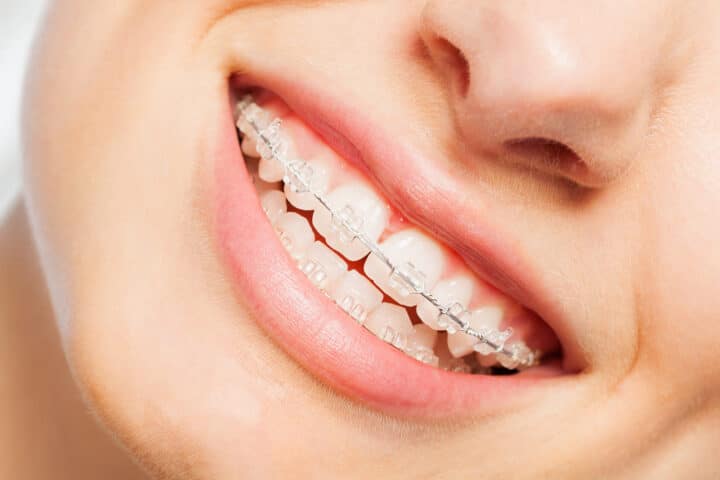
Clear braces require good hygiene and careful eating habits. The ceramic brackets are designed to blend with your teeth, but elastic ties or surrounding areas can show stains if you frequently drink coffee, tea, red wine, or dark-colored beverages without proper cleaning.
With either traditional or clear braces, you should:
Clear braces can look great throughout treatment when patients keep them clean and avoid foods or habits that stain.
Some patients compare braces options with Invisalign. Invisalign uses removable clear aligners instead of fixed brackets and wires. It can be a strong option for patients who want a nearly invisible treatment and can wear aligners consistently.
However, Invisalign is not the best choice for every case. Braces may be recommended when more controlled movement is needed or when a fixed appliance is more predictable.
Here is the simple difference:
| Option | Best Fit |
| Traditional braces | Durable, reliable correction for many case types |
| Clear braces | Less noticeable fixed treatment |
| Invisalign | Removable clear aligner treatment for good candidates |
If you are not sure which option fits your smile, our orthodontic treatments page can help you explore the main choices before your visit.
Traditional braces and clear braces can both create healthy, confident smiles. Traditional braces are durable, reliable, and often more cost-effective. Clear braces offer a more discreet look while still providing the control of fixed orthodontic treatment.
If you are comparing traditional braces vs clear braces, the best answer depends on your teeth, bite, appearance preferences, budget, and treatment goals. Dr. Gao and Dr Vuong can evaluate your smile and explain which option is likely to give you the most predictable result. Contact the office or schedule an appointment to get personalized guidance based on your smile and treatment goals.
Yes. Clear braces can be highly effective for many orthodontic cases. The best option depends on your teeth, bite, treatment complexity, and orthodontist’s recommendation.
The ceramic brackets themselves are designed to resist stains, but elastic ties or areas around the braces may discolor if oral hygiene is poor or if staining foods and drinks are consumed often.
Traditional metal braces are often more affordable than clear braces. Clear braces may cost more because of the materials used and their more discreet appearance.
Adults often choose clear braces because they are less noticeable, but traditional braces may be better for patients who want a durable and cost-effective option. A consultation helps determine the better fit.
In some cases, changes may be possible, but it depends on your treatment plan and timing. It is better to choose the right option at the beginning with guidance from your orthodontist.
By Dr. Lisa Gao, DDS, MS
Orthodontic treatment for adults can improve more than the way your smile looks. It can help correct crowding, spacing, shifting teeth, bite problems, and alignment issues that may affect cleaning, chewing, comfort, and long-term oral health. Whether you never had braces as a child or your teeth have moved after past treatment, adults can still benefit from braces, Invisalign, clear braces, or other orthodontic options.
At Westwood Orthodontics, Dr. Lisa Gao helps adults choose treatment that fits their smile, lifestyle, schedule, and goals. You do not have to be a teenager to start orthodontic care. You only need healthy teeth and gums, the right plan, and a treatment option that makes sense for your case.
Many adults decide to start orthodontic treatment because they are finally ready to improve something that has bothered them for years. Others notice their teeth shifting, their bite changing, or crowding becoming harder to clean.
Adult orthodontics may help with:
The goal is not only a straighter smile. A better-aligned bite can make teeth easier to clean and may help reduce uneven pressure on certain teeth.
No. It is not too late to get braces or Invisalign as an adult. Teeth can move at many ages when the gums and bone support are healthy enough for orthodontic treatment.
The main difference is that adult treatment may need more careful planning. Adults are more likely to have dental work, gum recession, missing teeth, worn enamel, or past orthodontic relapse. That does not automatically prevent treatment, but it does mean the orthodontist needs to evaluate the full picture before recommending a plan.
At Westwood Orthodontics, adult care starts with a detailed look at your teeth, bite, gums, and goals so Dr. Gao can explain what is realistic and which treatment option is likely to work best.
Adult patients have more choices than ever. Some want the most discreet option possible. Others want a dependable fixed treatment that can handle more complex movement. The right option depends on your smile and your lifestyle.
| Treatment Option | Best For | What to Know |
| Invisalign | Adults who want clear, removable aligners | Works well for many cases when aligners are worn as instructed |
| Traditional braces | Adults who need reliable fixed correction | Strong option for mild to complex alignment and bite issues |
| Clear braces | Adults who want fixed treatment with a more discreet look | Uses tooth-colored brackets that blend in better than metal |
| Lingual braces/InBrace | Adults who want braces hidden behind the teeth | May be an option for patients who want a less visible fixed appliance |
| Retainers | Adults with minor shifting after past treatment | Helps maintain or protect alignment after treatment |
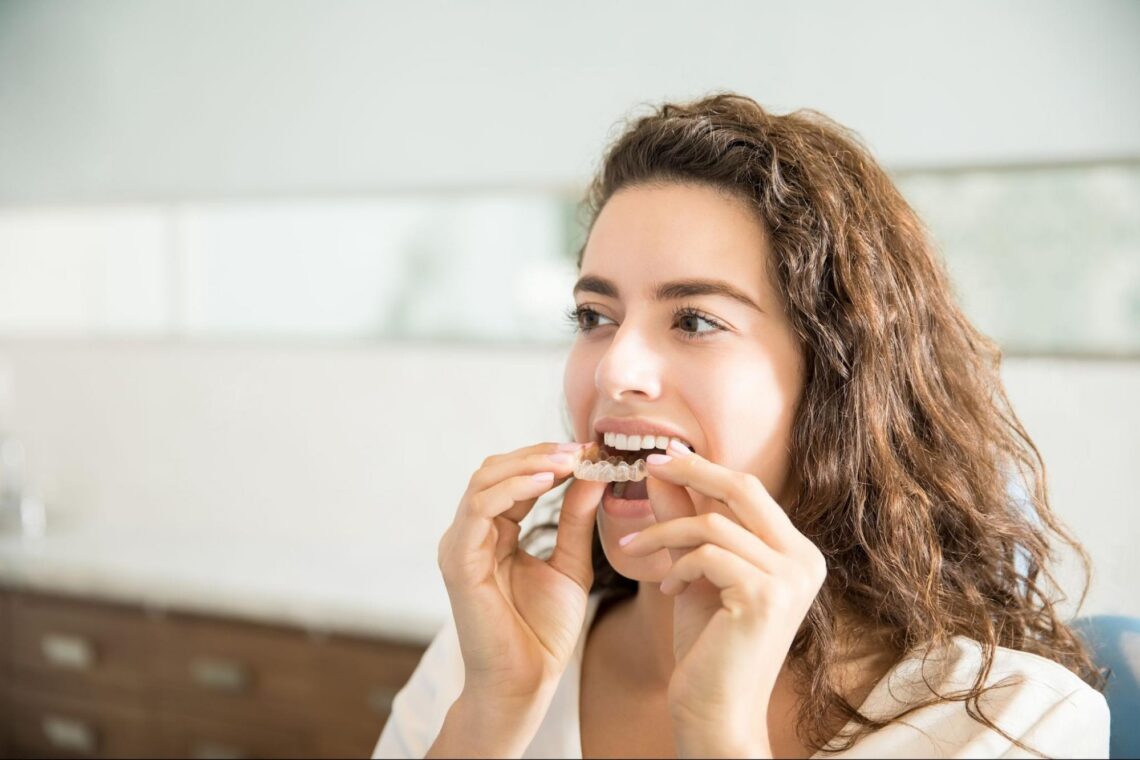
Invisalign uses a series of clear, removable aligners to move teeth gradually. Many adults like Invisalign because it fits more easily into work, social events, meals, and daily oral hygiene.
With Invisalign, you can remove the aligners to eat, brush, and floss. That flexibility is helpful, but it also requires discipline. The aligners need to be worn as directed for treatment to stay on track.
Invisalign may be a good fit if you want:
Dr. Gao can explain whether Invisalign can correct your specific alignment or bite concerns predictably.
Braces remain one of the most reliable ways to move teeth. Because they stay attached to the teeth, they work continuously and do not depend on remembering to wear trays.
Traditional braces may be recommended when more controlled tooth movement is needed. Clear braces work in a similar way but use tooth-colored or translucent brackets for a more subtle appearance.
Adults may choose traditional braces if they want durability and dependable correction. Others may prefer clear braces if appearance is a major concern but they still want fixed orthodontic treatment.
Both options can help correct crowding, spacing, rotated teeth, and bite issues when planned properly.
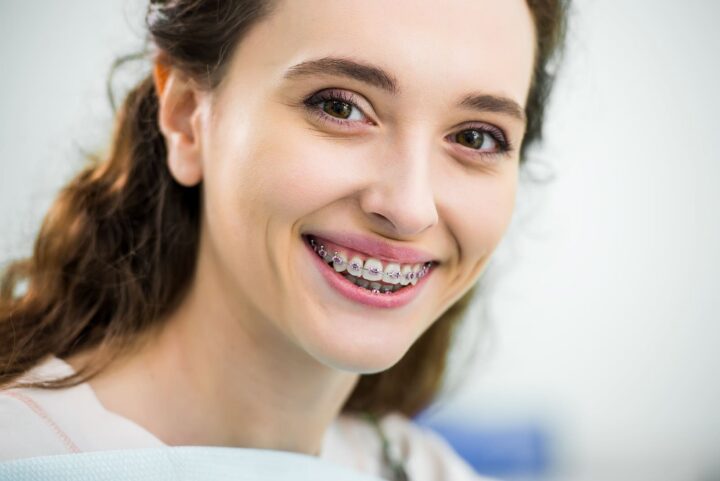
Adult orthodontic treatment can improve appearance, but the benefits often go beyond cosmetics.
Straighter teeth may be easier to brush and floss. Better alignment may reduce areas where plaque builds up. A corrected bite may help distribute chewing pressure more evenly. For many adults, treatment also improves confidence in professional, social, and personal settings.
Adult orthodontics may help:
The best results come from a plan that considers the whole mouth, not just the front teeth.
Adult orthodontic treatment time depends on the case. Some minor alignment concerns may take several months. More involved cases with crowding, bite correction, or significant tooth movement may take 12 to 24 months or longer.
Your timeline may depend on:
During your consultation, Dr. Gao can give you a clearer estimate based on your teeth and treatment goals.

Many adults are good candidates for orthodontic treatment, but the first step is making sure the teeth and gums are healthy enough to move safely.
You may be a good candidate if you have:
If you have gum disease, missing teeth, implants, crowns, or bridges, treatment may still be possible. It simply needs more careful planning.
Adults choose Westwood Orthodontics because treatment is personal, detailed, and guided by a board-certified orthodontist. Dr. Lisa Gao, DDS, MS is a Diplomate of the American Board of Orthodontics and serves as a Clinical Instructor in the UCLA Section of Orthodontics.
Our office offers orthodontic treatments for kids, teens, and adults, including braces, clear braces, Invisalign, lingual braces, and retainers. We focus on one-on-one care, clear communication, and treatment planning that respects your goals, schedule, and long-term oral health.
Adult patients often come to us because they want an option that feels professional, discreet, and realistic for their lifestyle. Our team helps you compare your choices clearly before starting.
Orthodontic treatment for adults can be a meaningful investment in your smile, confidence, and oral health. It is not too late to correct crowding, spacing, shifting teeth, or bite concerns. The right treatment depends on your goals, dental health, lifestyle, and the complexity of your case.
At Westwood Orthodontics, we can help you compare Invisalign, traditional braces, clear braces, and other options so you can choose a plan that feels right for your smile. Schedule your adult orthodontic consultation to get started.
Yes, it can be worth it if treatment improves alignment, bite function, oral hygiene, or smile confidence. The value depends on your goals and what your orthodontic plan can realistically correct.
Yes. Many adults are good candidates for Invisalign if their teeth and bite can be corrected predictably with clear aligners and they can wear them as instructed.
No. Braces can work for adults as long as the teeth and gums are healthy enough for orthodontic movement. Many adults choose traditional braces or clear braces.
Treatment time varies. Some minor cases may take several months, while more involved cases may take 12 to 24 months or longer. Your orthodontist can estimate timing after an evaluation.
Yes. Clear braces can be a good option for adults who want fixed orthodontic treatment with a less noticeable appearance than metal braces.
Recent Comments